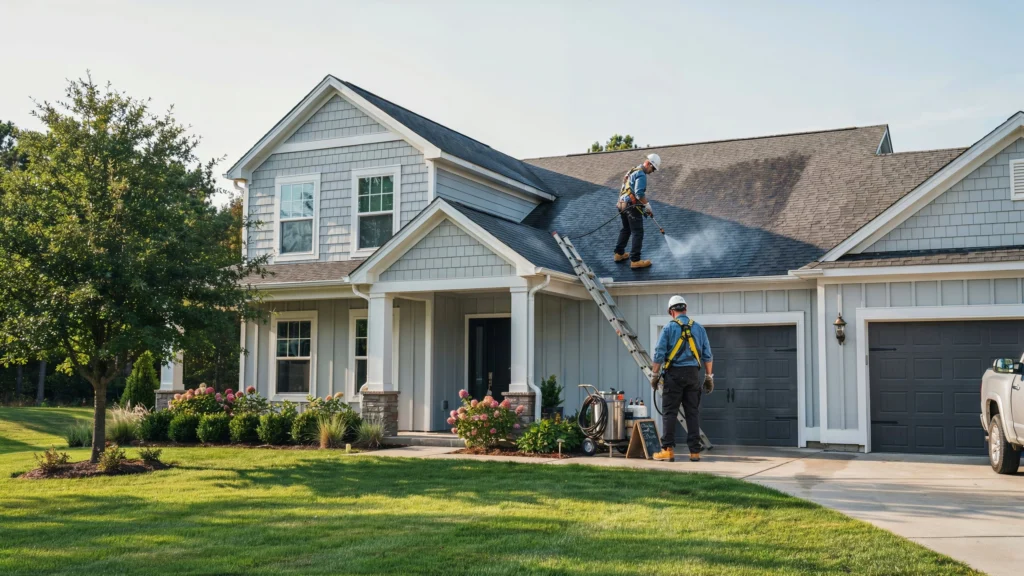
Professionals clean roofs using low-pressure soft washing, applying a cleaning solution that kills algae and moss at the root, then rinsing it away without damaging shingles. The process includes an inspection, surface prep, chemical application, a rinse, and a final walkthrough.
So how do professionals clean roofs the right way, without the risks that come with a DIY attempt? At Bay Softwash, we follow a safe and proven roof cleaning process designed to remove dirt, algae, moss, and stains without damaging your roof. Here’s the full process, step by step, so you know exactly what to expect.
What Is Professional Roof Cleaning?
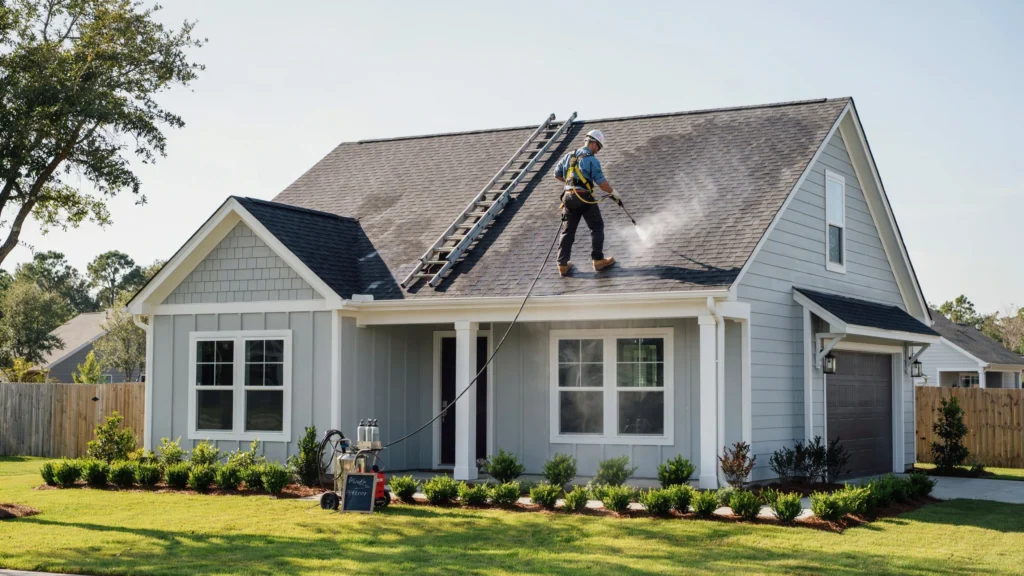
Professional roof cleaning is a service that removes algae, moss, lichen, dirt, and stains from a roof’s surface using specialized tools and roof-safe techniques. It’s different from a regular pressure wash you’d rent from a hardware store.
Trained crews know how each roofing material reacts to pressure, chemicals, and moisture. That knowledge protects your shingles, tiles, or shakes from damage while still getting the roof clean. A licensed and insured company also carries liability coverage, so if something goes wrong, you’re not on the hook for repairs.
How Do Professionals Clean Roofs? Step-by-Step Process
Here’s how a typical job goes from start to finish.
Step 1: Roof Inspection
The crew walks the roof or inspects it from a ladder, checking material type, pitch, and the level of algae or moss buildup. This step decides which method and chemical mix to use.
Step 2: Landscape Protection
Plants, gutters, and outdoor furniture near the house get covered or rinsed beforehand. This protects them from any runoff during the cleaning.
Step 3: Applying the Cleaning Solution
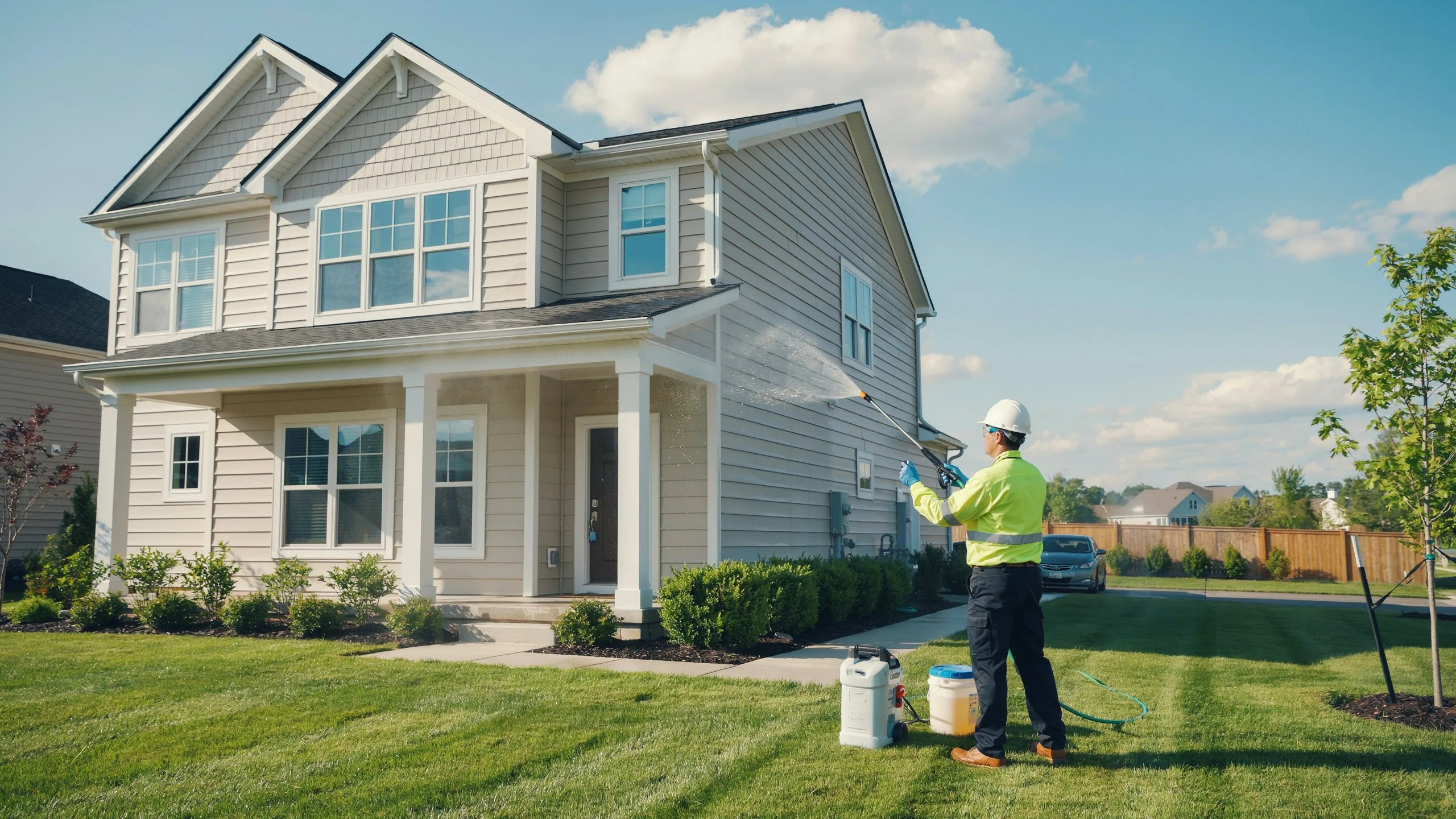
A low-pressure sprayer applies a cleaning mix, usually a blend of water and a mild bleach or biodegradable algaecide. The solution sits on the roof for several minutes to break down organic growth.
Step 4: Rinsing the Roof
Once the solution has done its work, the crew rinses the roof with clean water at low pressure. This step washes away dead algae, moss, and loosened debris.
Step 5: Final Walkthrough
The crew checks the roof for missed spots, rinses any remaining chemical residue from plants or gutters, and does a final visual check before wrapping up.
This roof cleaning process usually takes a few hours for an average home, though size and buildup level can stretch that timeline.
Professional Roof Cleaning Methods
There isn’t just one way to clean a roof. Professionals choose from a few different roof cleaning techniques based on the roof’s material and condition.
Soft Washing
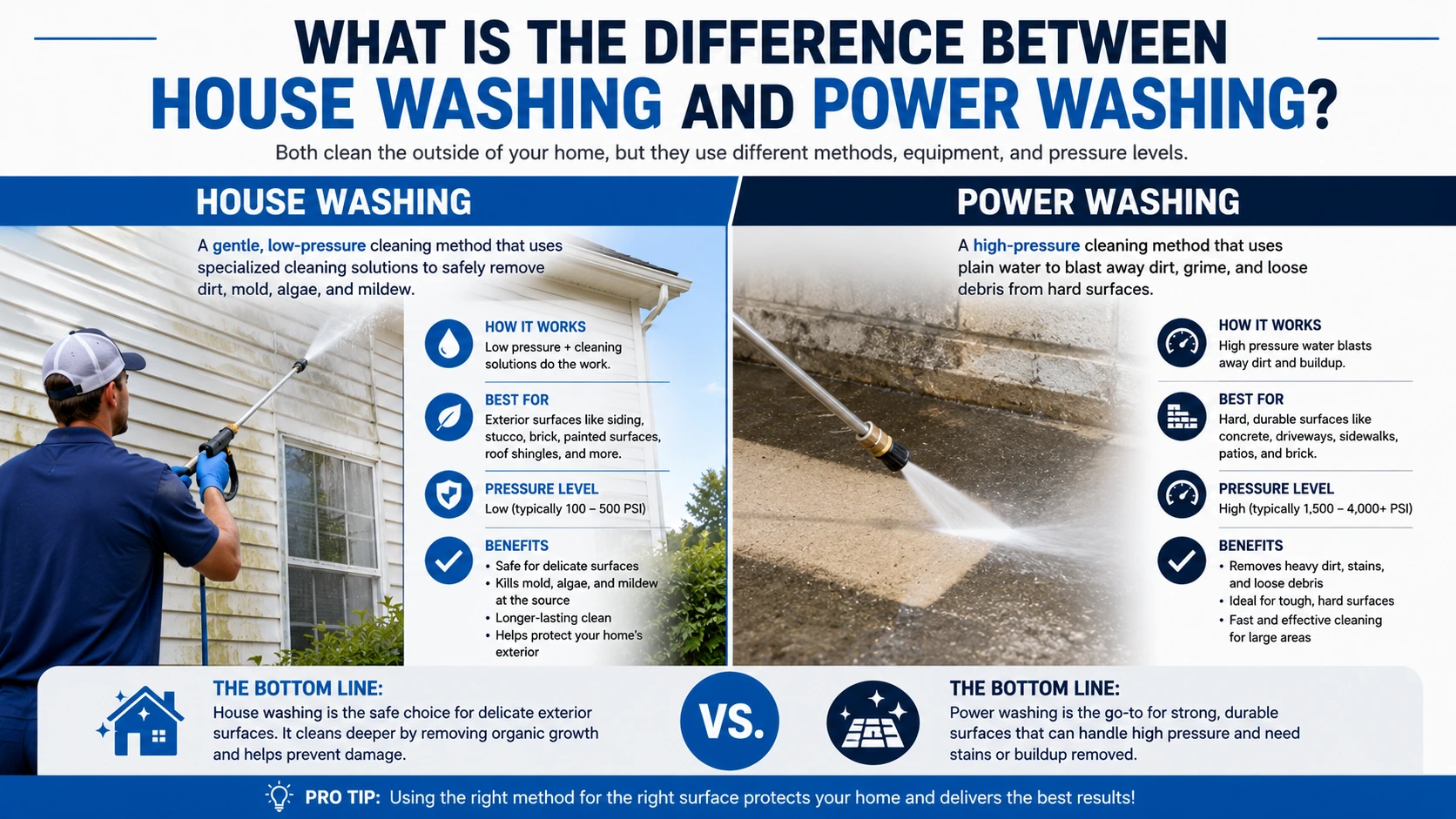
The most common professional roof cleaning method. It uses low water pressure combined with a cleaning solution to kill algae and moss without stripping granules or cracking tiles.
Pressure Washing
Uses higher water pressure and little to no chemical solution. It can work on some surfaces, but most professionals avoid it on shingles and tiles because of the damage risk.
Manual Scrubbing
Used on delicate materials like slate or wood shake, where any pressure washing could crack or split the surface. Crews use soft brushes and hand tools instead.
Chemical-Only Treatment
Applies a cleaning solution and lets it work over several days without a rinse. This method is gentler but takes longer to show full results.
Tools and Equipment Professionals Use
Professional crews rely on specific gear to clean a roof safely and thoroughly.
- Low-pressure sprayers: Deliver cleaning solution evenly without damaging the roof surface.
- Soft wash chemical mixes: Usually sodium hypochlorite blended with water and a surfactant that helps the solution cling to vertical and angled surfaces.
- Extension wands: Let crews reach high or steep sections from the ground or a ladder, cutting down on roof walking.
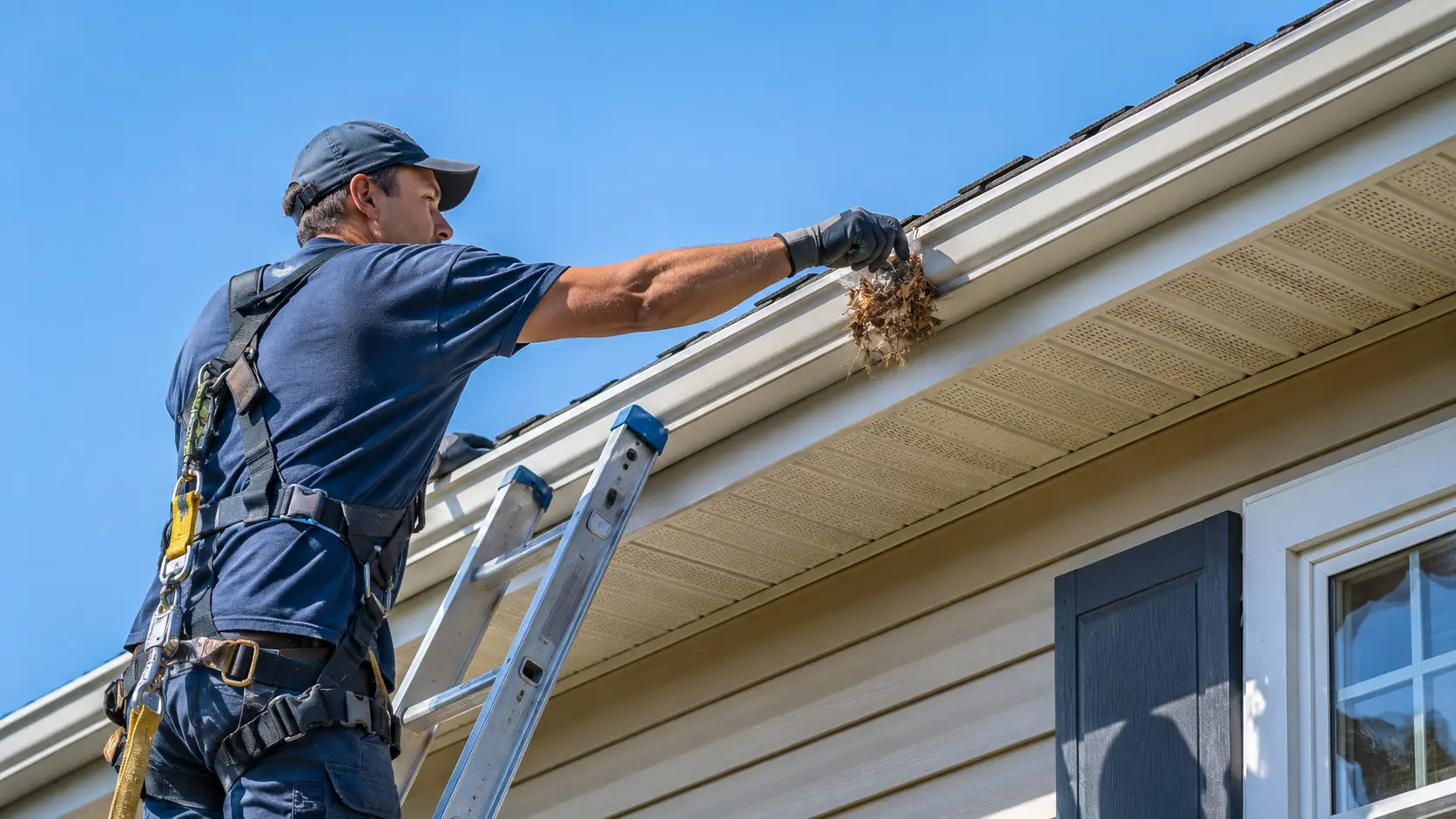
- Roof harnesses and anchors: Keep workers safe on steep or wet surfaces.
- Tarps and plant covers: Protect landscaping from chemical runoff during the job.
- Garden hoses or low-pressure rinse attachments: Used for the final rinse step to avoid granule loss.
Why Professionals Prefer Soft Washing
Soft wash roof cleaning has become the industry standard, and there are clear reasons why.
It kills algae and moss at the root instead of just scraping the surface, which means the roof stays clean longer. High pressure only removes what’s visible, but the roots often survive and grow back within months.
Soft washing also protects the shingle’s protective granule layer. Those granules block UV rays and extend the roof’s lifespan, and pressure washing can strip them off in seconds. Many roofing manufacturers include a soft wash requirement or a pressure washing ban in their warranty terms for exactly this reason.
Lastly, soft washing is safer for workers. Lower pressure means better control on a sloped, often slippery surface.
How Long Does Professional Roof Cleaning Take?
Most homes take two to four hours for a full professional roof cleaning. A small single-story roof with light buildup might be done in under two hours. A large home with heavy moss or multiple roof features like dormers and chimneys can take closer to five or six hours.
Weather plays a role too. Crews usually avoid cleaning roofs in direct, harsh sun since the chemical solution can dry too fast to work properly. Cooler mornings or overcast days often give better results.
How Much Does Professional Roof Cleaning Cost?
Professional roof cleaning typically costs $300 to $700 for an average home, though larger roofs, steep pitches, or heavy algae growth can push that higher. Soft washing usually costs a bit more per square foot than basic pressure washing, but it protects your investment far better in the long run.
Get a quote based on your roof’s actual measurements rather than a flat estimate, since square footage, material, and buildup level all affect the final price.
DIY vs. Professional Roof Cleaning
A DIY approach might save money upfront, but it comes with real trade-offs. Working on a roof means fall risk, and that risk grows on steep or wet surfaces. Homeowners without the right chemical mix or technique can also damage shingles, sometimes voiding a manufacturer’s warranty in the process.
Professionals bring training, the right tools, and insurance coverage that protects you if something goes wrong. They also know how to read a roof’s condition and adjust their approach, something that’s hard to judge without experience. For most homeowners, hiring a pro is the safer and more cost-effective choice over time.
How Often Should Professionals Clean Your Roof?
Most roofs benefit from a professional cleaning every 1 to 3 years, depending on your climate and how much shade your roof gets. Homes in humid or heavily shaded areas often need cleaning on the shorter end of that range, since algae and moss regrow faster in damp, low-light conditions.
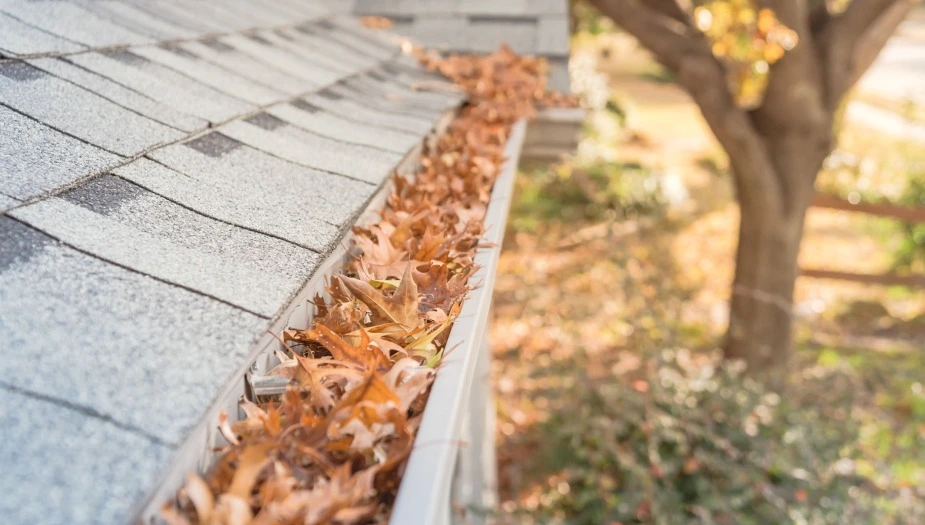
Watch for early warning signs between cleanings, like dark streaks, green patches, or granules collecting in your gutters. Catching buildup early keeps the job quicker and cheaper than waiting until it spreads across the whole roof.
If you’re searching for reliable roof cleaning services in north bay, Bay Softwash uses soft washing on every job, so your shingles stay protected while the algae and moss are removed for good. Booking on a regular schedule, rather than waiting until problems show up, tends to save money and stretch your roof’s lifespan further.
Tips for Choosing a Professional Roof Cleaning Company
A few checks can help you avoid a bad hire.
- Confirm they use soft washing, not high-pressure equipment, on shingles and tiles.
- Ask for proof of insurance. This protects you if a worker is injured or property gets damaged.
- Check reviews and past work. Look for photos of completed jobs, not just star ratings.
- Get a written quote based on your roof’s actual size, not a vague phone estimate.
- Ask about their cleaning solution. A biodegradable mix protects your landscaping better than harsh chemicals.
Common Mistakes to Avoid
Even well-meaning homeowners and inexperienced crews make errors that shorten a roof’s lifespan.
- Using high pressure on shingles. This strips granules and speeds up wear.
- Skipping landscape protection. Runoff from cleaning chemicals can burn grass and plants if they aren’t rinsed or covered first.
- Cleaning in direct, harsh sun. The solution can dry too fast to fully treat algae and moss.
- Ignoring roof pitch and safety gear. Steep roofs need harnesses and proper footing, not just a ladder and a hose.
- Choosing the cheapest quote without checking method or insurance. A low price sometimes means corners get cut on both fronts.
Conclusion
So, how do professionals clean roofs? Most rely on soft washing: a low-pressure method that kills algae and moss at the root while protecting your shingles. The process includes an inspection, careful chemical application, a gentle rinse, and a final check before the crew leaves.
Choosing a professional over a DIY attempt lowers your risk of injury, protects your roof’s warranty, and gets results that last longer between cleanings. A little research into a company’s cleaning methods and insurance goes a long way toward ensuring a safe, effective job. If you’re ready to restore your roof safely and professionally, contact Bay Softwash today for a free estimate and expert roof cleaning services you can trust.
FAQs
How do professionals clean roofs without damaging shingles?
They use soft washing, which relies on low water pressure and a cleaning solution instead of high-pressure force that can strip protective granules.
What chemicals do professionals use to clean roofs?
Most use a diluted sodium hypochlorite mix combined with a surfactant, which helps the solution cling to the roof surface and kill algae at the root.
Is professional roof cleaning better than pressure washing?
Yes, in most cases. Pressure washing can crack tiles and strip shingle granules, while soft washing cleans just as effectively without that damage risk.
How long does professional roof cleaning last before regrowth?
Results typically last 1 to 3 years, depending on climate, shade, and how much moisture the roof is exposed to.
Can professionals clean any type of roof?
Yes, though the method changes by material. Asphalt and metal roofs usually get soft washed, while slate and wood shake often need gentler manual cleaning.