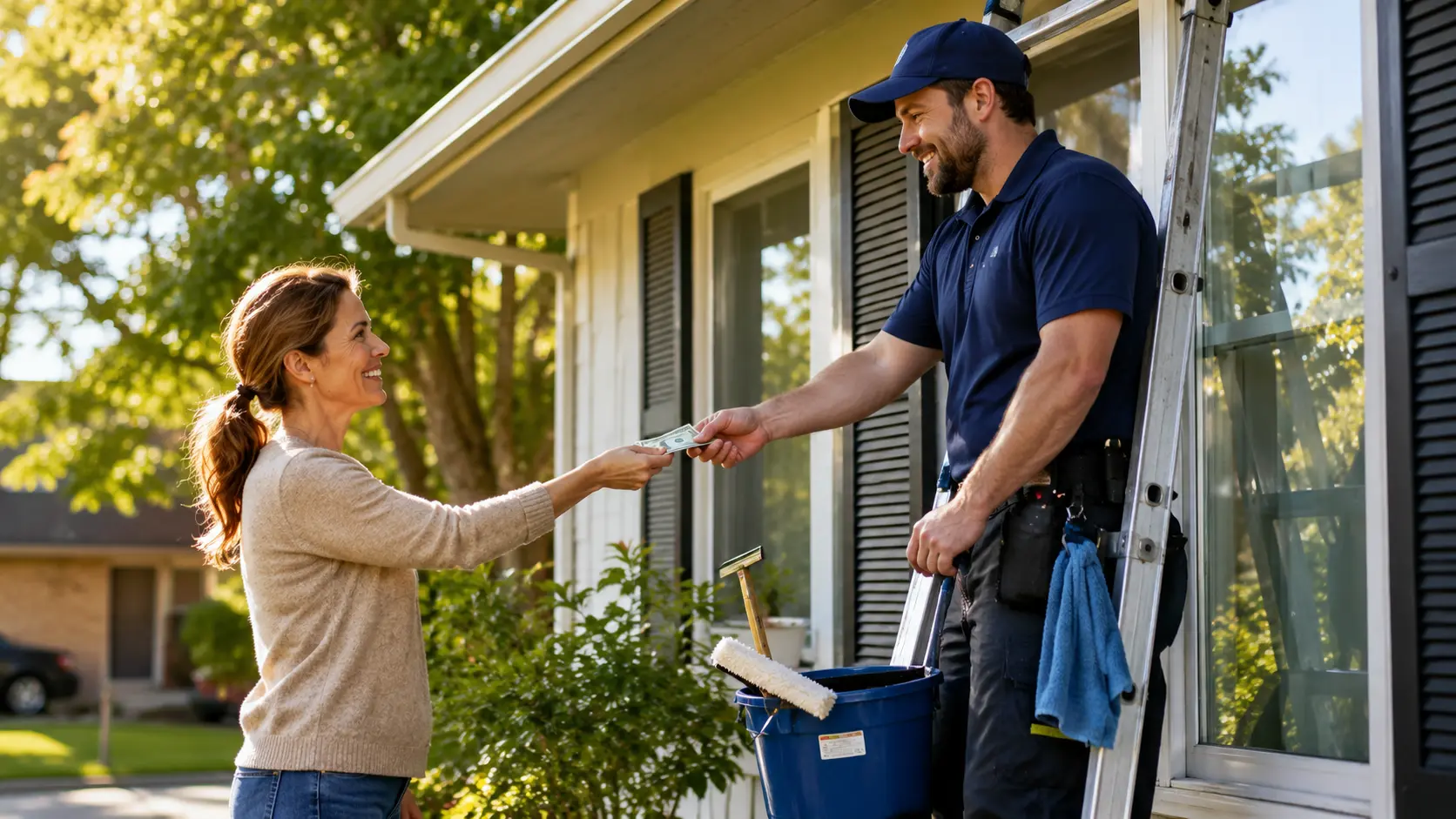
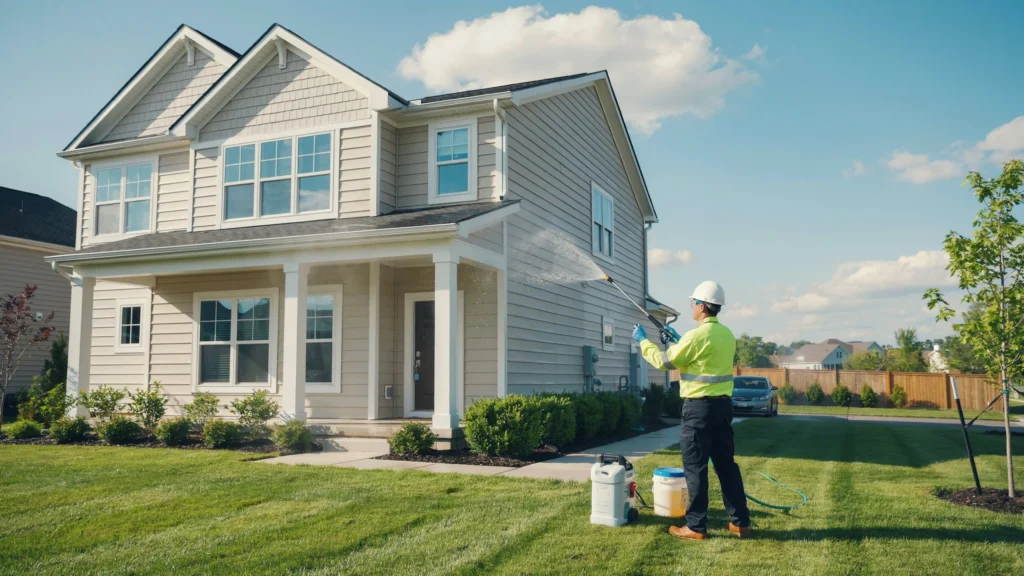
A soft wash typically lasts one to three years before algae, mildew, or grime start showing up again. Homes in shady, humid spots may need a refresh closer to the one-year mark. Homes in sunny, dry areas can often stretch past three years.
That range depends on your climate, your siding material, and how much shade your yard gets. If you want the full breakdown of how long does a soft wash last for your specific home, keep reading.
What Is Soft Washing?
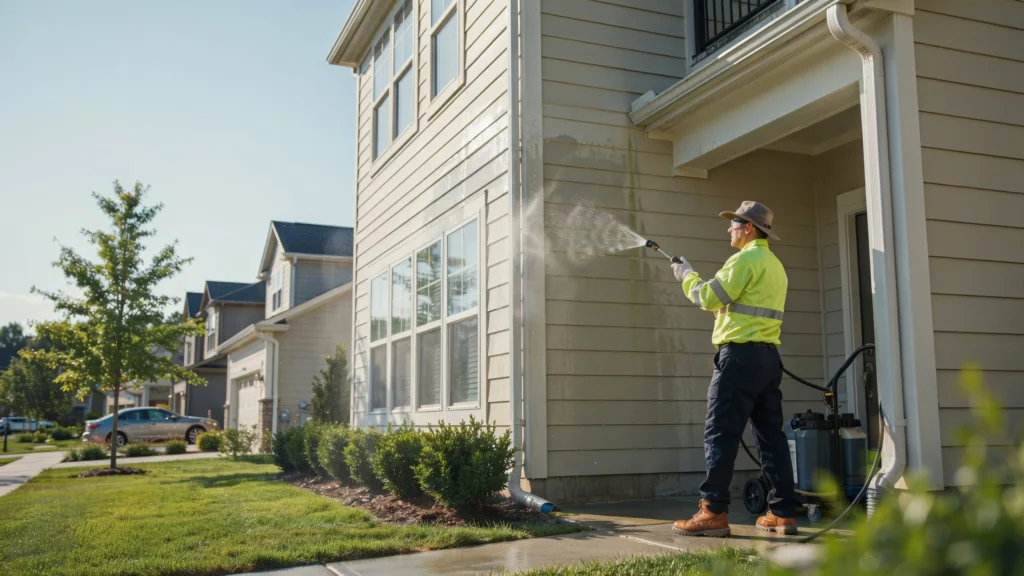
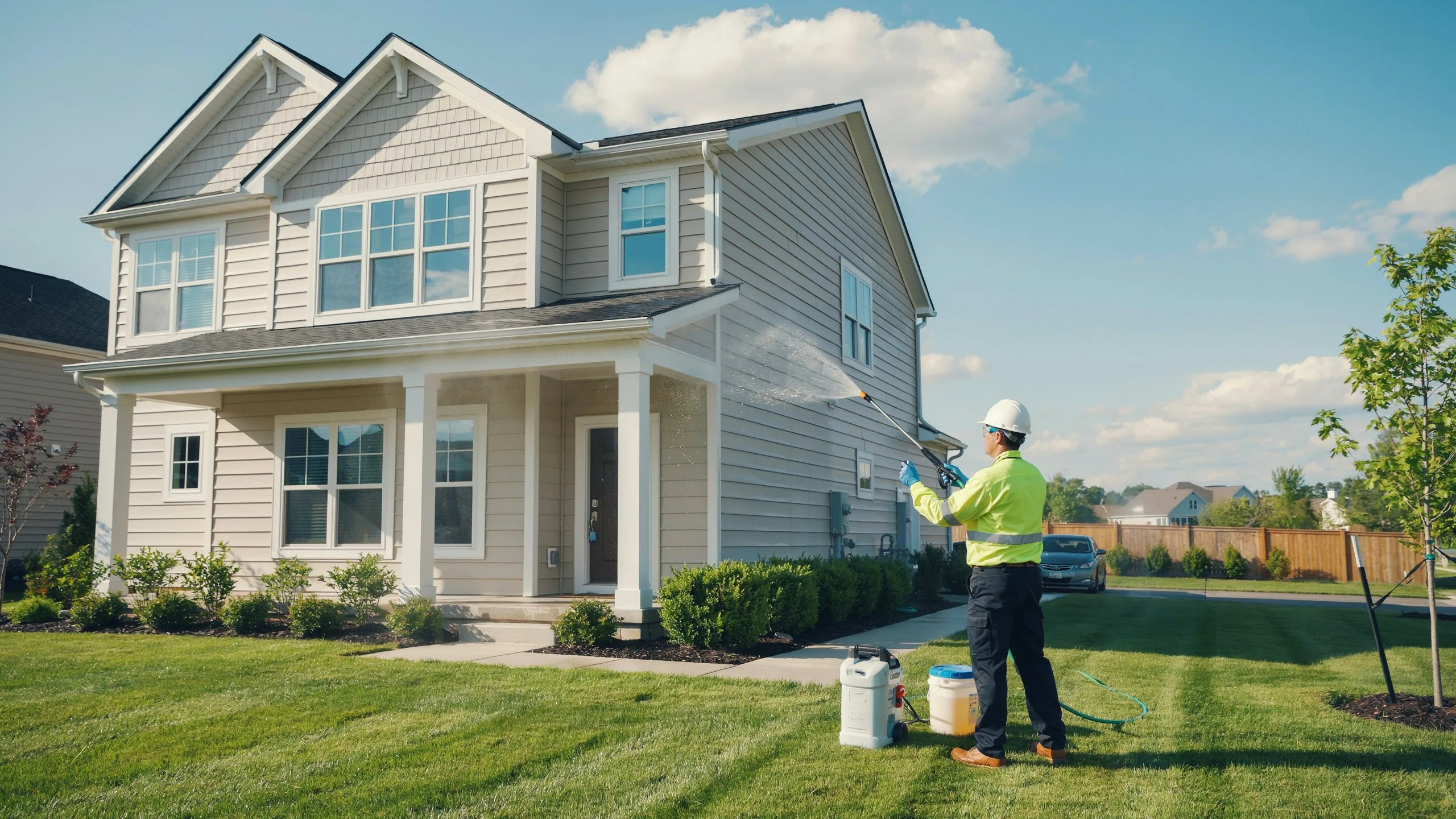
Soft washing is a low-pressure cleaning method for roofs, siding, decks, and other outdoor surfaces. Instead of blasting dirt off with force, it uses a gentle stream of water mixed with a cleaning solution.
That solution usually contains a mix of water, a mild surfactant, and a small amount of sodium hypochlorite. The surfactant helps the mixture cling to vertical surfaces long enough to break down algae, moss, mold, and dirt at the root. Once the solution has done its work, a light rinse washes everything away.
This matters for longevity. Pressure washing strips away what you can see on the surface. Soft washing kills the organisms causing the stains in the first place. That is the main reason soft wash results tend to stick around so much longer than a standard power wash.
Average Lifespan of a Soft Wash
Most homeowners can expect a soft wash to last between one and three years. Some homes in dry, sunny climates go five years or more before they need another treatment. Homes tucked under trees or facing constant moisture may need attention sooner, sometimes within twelve months.
Roofs tend to hold their clean look the longest, often three to five years, because shingles shed water quickly and get more direct sun exposure. Siding usually falls in the one to three year window. Decks and fences, especially ones close to the ground or shaded by fences and plants, often need touch-ups every year.
There is no single fixed answer to how long does a soft wash last, since your specific mix of climate, surface, and maintenance habits all play a role. Think of the one to three year range as a solid starting point, then adjust based on the factors below.
Factors That Affect How Long a Soft Wash Lasts
A few conditions decide whether your clean exterior holds up for years or fades within months.
Climate and rainfall. Humid regions with heavy rain give algae and mold everything they need to grow back fast. Dry climates slow that regrowth down considerably.
Shade coverage. Walls and roof sections that stay shaded most of the day dry out slower. Damp surfaces are exactly what mold and algae need to take hold again.
Surface material. Vinyl siding, stucco, brick, and asphalt shingles all hold up differently. Porous materials like stucco can trap moisture and grime deeper than smooth vinyl, which can shorten the clean window.
Surrounding trees and landscaping. Trees that drop leaves, pollen, or sap onto your roof or siding speed up regrowth. Sprinklers that hit your walls daily do the same thing.
Coastal air. Homes near the coast deal with salt residue building up on exterior surfaces. That salt buildup often means a shorter stretch between treatments compared to inland homes.
Quality of the original treatment. A rushed or diluted soft wash job will not hold up as well as one done with the right mix ratio and enough dwell time for the solution to work.
How Often Should You Soft Wash Your House?
Most professionals recommend soft washing your home once every one to two years for general maintenance. Homes in the North Bay’s humid pockets or under heavy tree cover may need it closer to once a year. Homes with good sun exposure and airflow can often go closer to two years between visits.
Roofs are usually the exception. Because algae and moss growth on shingles can cause real damage over time, many homeowners choose to soft wash their roof every two to three years even if the siding still looks clean.
Signs It’s Time for Another Soft Wash
Watch for these signs instead of guessing based on the calendar alone.
- Dark streaks or black spots returning on siding or roof shingles
- Green or gray patches spreading across shaded walls
- A musty smell near exterior walls or vents
- Slippery buildup on decks, walkways, or patios
- Visible pollen or dirt film that a garden hose will not remove
If you notice two or more of these signs, it is a good time to schedule another treatment rather than waiting. These signs are often a better guide than a fixed calendar date, since how long does a soft wash last can shift year to year based on weather alone.
How to Make a Soft Wash Last Longer
You cannot stop weather and plant growth completely, but a few habits can stretch your results well past the average.
Trim back trees and bushes that shade your siding or drop debris on your roof. More sunlight and airflow means slower regrowth for algae and mold.
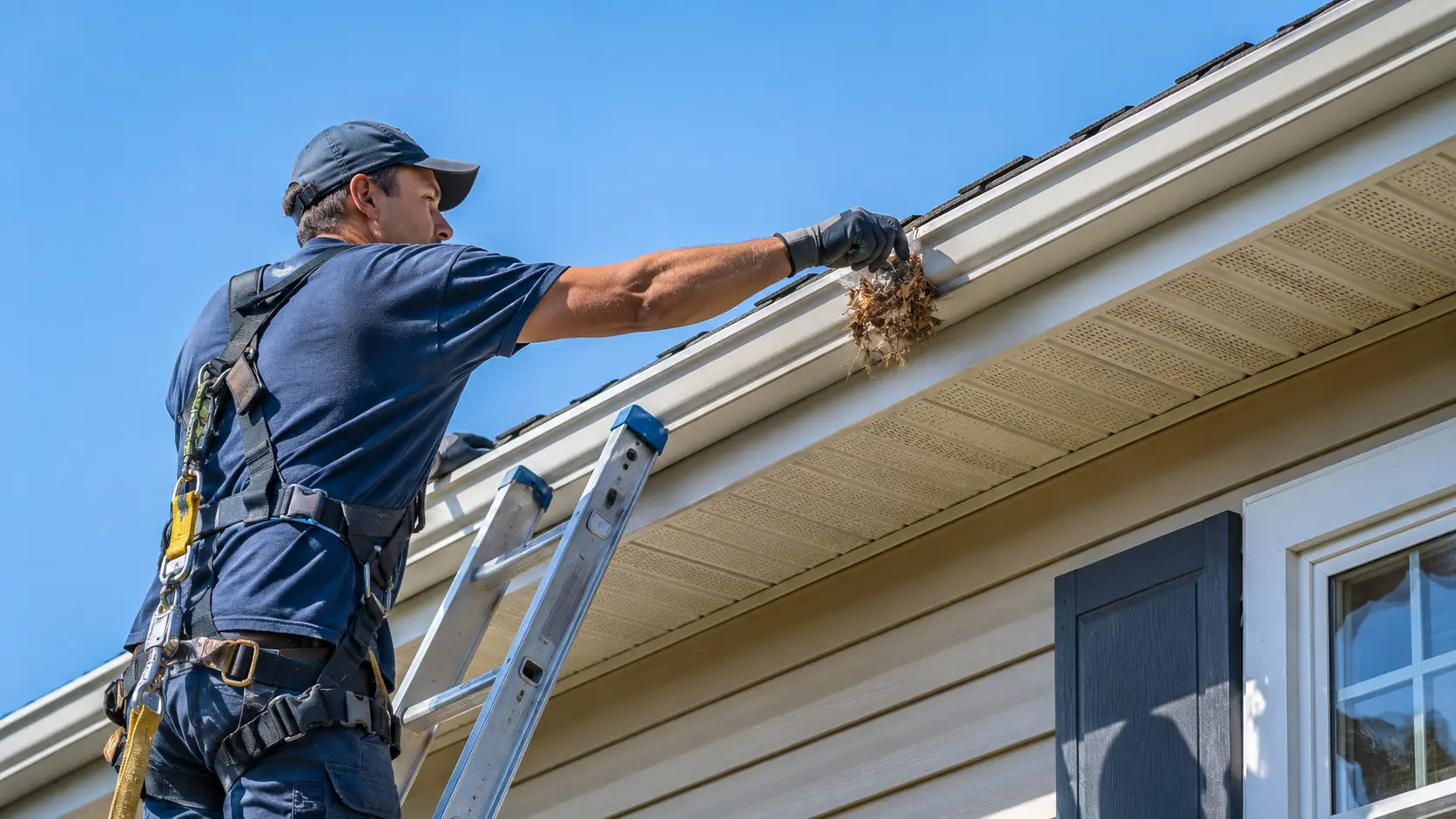
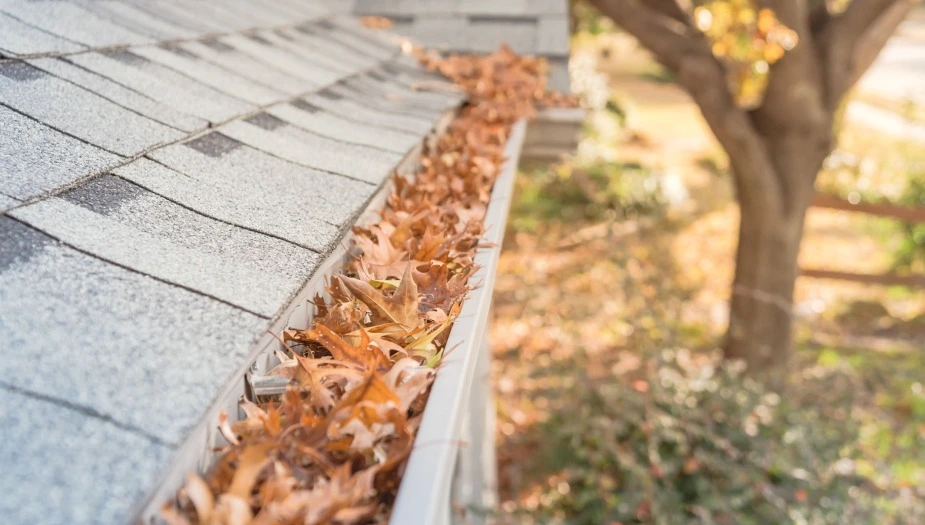
Clean your gutters on a regular schedule. Clogged gutters send dirty water spilling down your siding, which speeds up staining and undoes your soft wash faster than almost anything else.
Rinse high-traffic outdoor areas like decks and walkways every few months. A quick hose-down between professional visits keeps dirt from building into a deeper stain.
Ask your cleaning company about a protective sealant application after your soft wash. Many soft wash solutions include an algaecide that keeps working under the surface for months after the visit.
If you live in the North Bay and want your results to last as long as possible, working with a local team that knows the area’s climate helps. Bay Softwash offers house washing services in North Bay built around the humidity, tree cover, and coastal air specific to this region, which means a treatment plan matched to your home instead of a generic schedule.
Soft Washing vs. Pressure Washing: Which Lasts Longer?
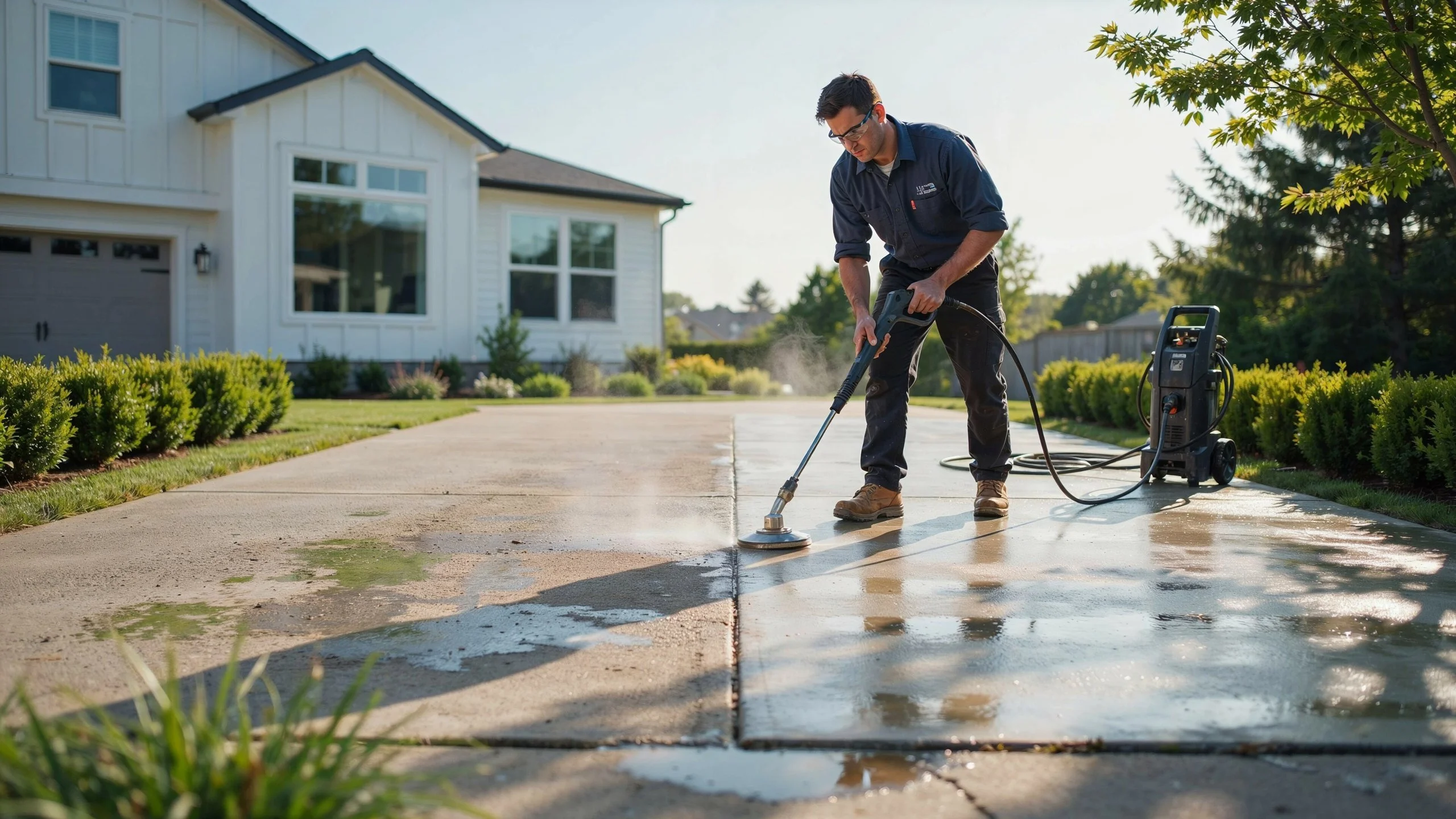
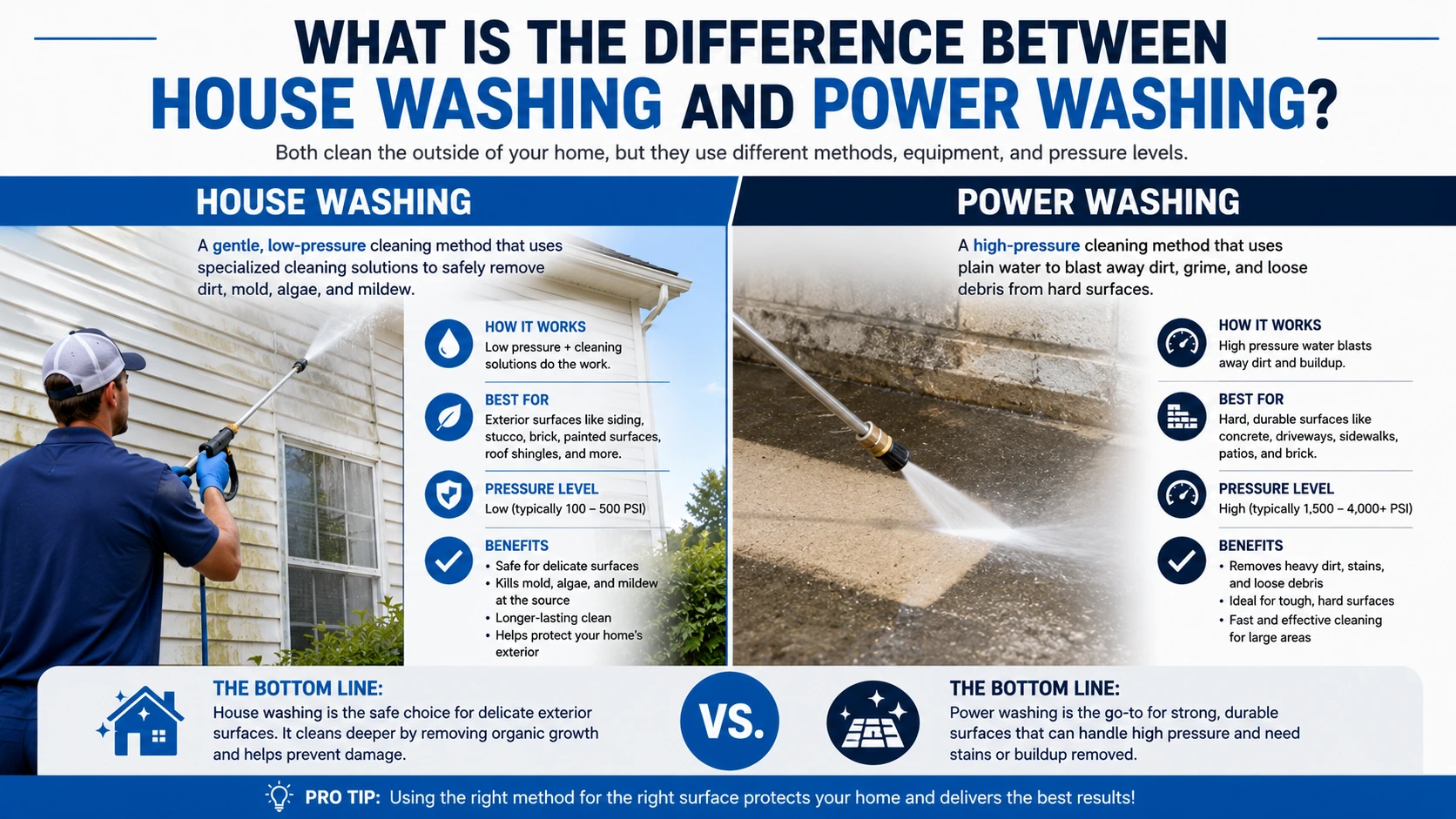
Soft washing vs pressure washing is a common comparison, and the answer usually favors soft washing for long-term results. Pressure washing blasts away visible dirt using force alone. It can make a surface look clean within minutes, but it does nothing to kill the algae spores or mold roots left behind.
Soft washing targets those roots directly with its cleaning solution. That is why soft wash results often last four to six times longer than a standard pressure wash, according to industry data from soft washing associations. Pressure washing can also strip paint, crack aging siding, or force water behind trim, which soft washing avoids thanks to its low water pressure.
For delicate materials like stucco, painted wood, or older roofing, soft washing is almost always the safer and longer-lasting choice.
Cost vs. Longevity
Soft washing tends to cost more upfront than pressure washing per visit. But when you compare how long does house washing last with each method, soft washing usually wins on value.
A pressure wash might need repeating every three to six months to keep organic growth under control. A soft wash can go a full year or longer before needing the same attention. Over a two or three year stretch, most homeowners spend less overall on soft washing because they are paying for fewer visits.
There is also the cost of skipped maintenance to consider. Neglected algae and mold on siding or roofing can lead to material damage, which turns a routine cleaning expense into a repair bill.
Benefits of Soft Washing Beyond Longevity
Longer-lasting results are not the only reason homeowners choose this method. The benefits of soft washing include protecting delicate surfaces from pressure damage, killing mold and algae at the source instead of just knocking it loose, and reducing the chance of water intrusion behind siding panels. It is also gentler on landscaping when applied by a trained crew that knows how to protect nearby plants. These benefits are a big part of why how long does a soft wash last matters so much when comparing cleaning methods.
Conclusion
So how long does a soft wash last? For most homes, plan on one to three years before you need another treatment, with roofs often stretching longer and shaded or humid areas needing attention sooner. Climate, surface type, tree cover, and the quality of the original job all shape where you land in that range.
Keeping gutters clear, trimming back greenery, and choosing an experienced local crew all help stretch those results as far as possible. If your home is showing early signs of regrowth, do not wait until it spreads. A quick check now can save a bigger cleaning job later. Contact Bay Softwash today to schedule a professional inspection or request a free estimate. Our team is here to help keep your home’s exterior clean, protected, and looking its best year-round.
FAQs
How Long Does a Soft Wash Last on average?
Most homes stay clean for one to three years after a professional soft wash, depending on climate and surface type.
How often should you soft wash your house?
Once every one to two years works for most homes. Shaded or humid properties may need it yearly, while sunny, dry homes can often wait longer.
Does soft washing damage paint or siding?
No. The low water pressure and controlled chemical mix are designed to clean without stripping paint or cracking siding, unlike high-pressure washing.
Is soft washing safe for landscaping?
Yes, when done by a trained crew. Professionals rinse and protect plants before and after applying the cleaning solution.
Can soft washing remove roof algae permanently?
It removes existing algae and slows regrowth for one to several years, but it is not a permanent, one-time fix since spores can return with the right conditions.