Soft washing uses low pressure on purpose. Most soft wash setups run between 0 and 500 PSI, far below the 1,500 to 4,000 PSI used in standard pressure washing. That low pressure keeps your siding, roof, and paint safe from damage while the cleaning solution does the real work.
So, how much PSI do you need to soft wash your home the right way? For most exterior surfaces, staying under 500 PSI is the safe zone, with many pros running closer to 100 to 300 PSI for delicate materials.
What Is Soft Washing?
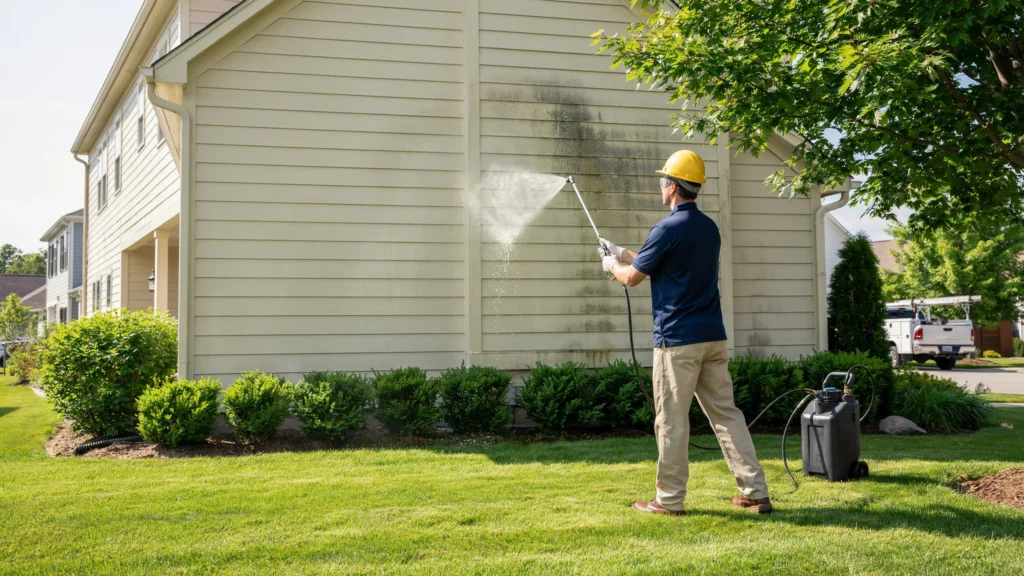
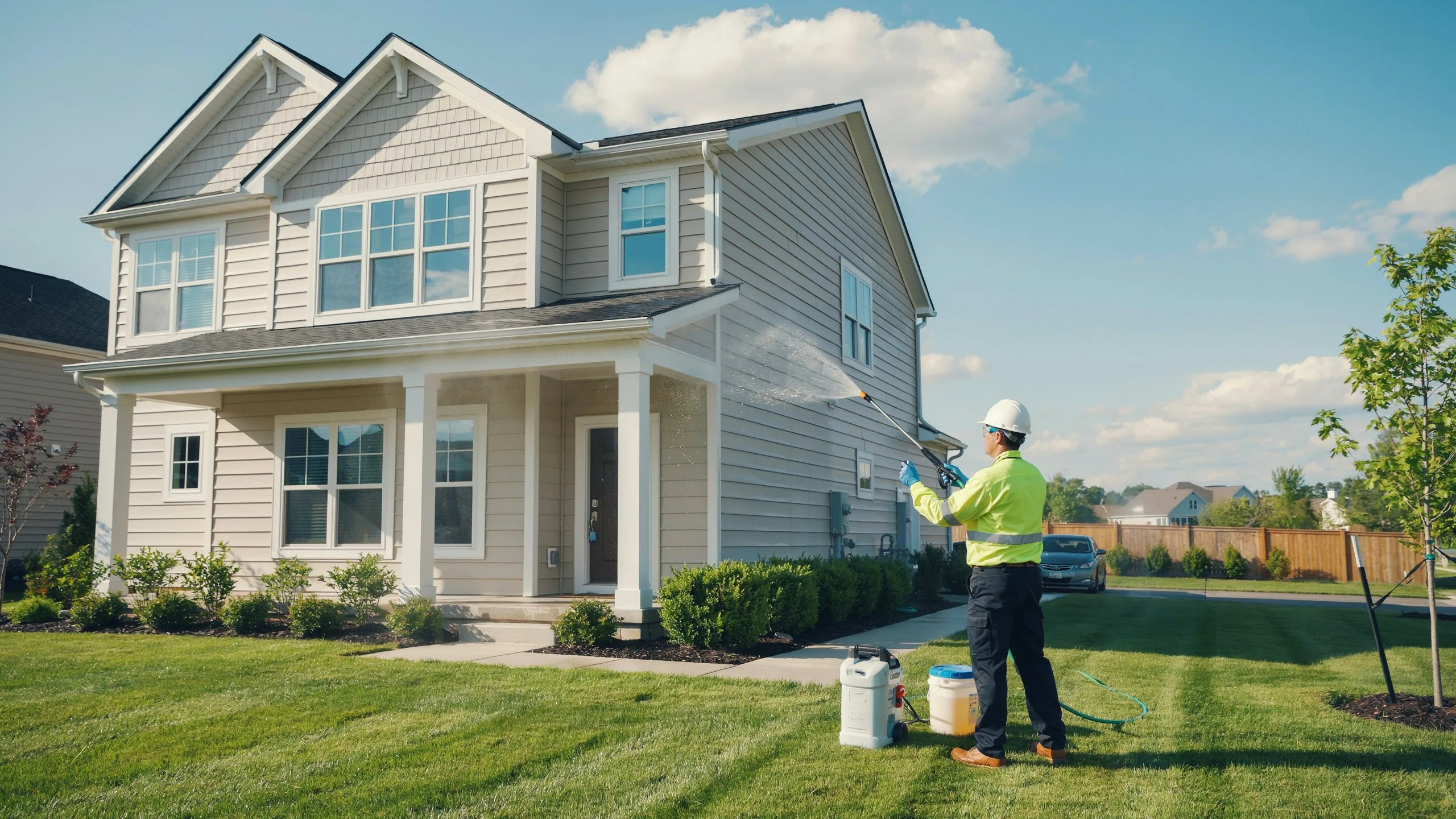
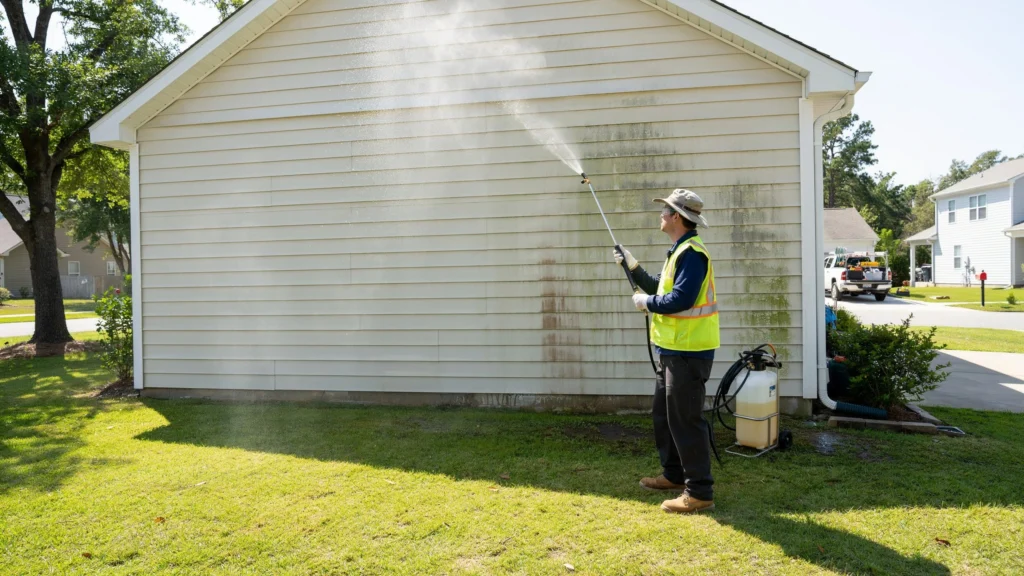
Soft washing pairs low water pressure with a cleaning solution built to kill algae, mold, and mildew. Instead of relying on force to strip dirt away, it lets the chemistry do the heavy lifting. This makes it a safer option for siding, stucco, and roofing.
The low pressure spray simply applies and rinses the solution. It doesn’t need to blast surfaces to get results, which is part of why soft washing has become the standard choice for homes with painted wood, vinyl, or fragile trim.
How Much PSI Do You Need to Soft Wash?
This is the question most homeowners ask before booking a service or renting equipment. How much PSI do you need to soft wash safely? The general range sits between 0 and 500 PSI, depending on the surface and the nozzle used.
Roofs, especially those with shingles, often call for the lowest end of that range, sometimes under 100 PSI. Siding can typically handle a bit more, usually between 200 and 500 PSI. Going above that range starts to defeat the purpose of soft washing, since higher pressure can strip paint or force water behind panels.
Professionals also adjust PSI based on the nozzle tip and spray pattern, not just the pump setting. A wide fan tip spreads pressure over a larger area, which keeps the impact gentle even at the higher end of the soft wash range.
Recommended PSI for Different Surfaces
Not every surface needs the same amount of pressure. Here’s a general breakdown:
- Asphalt shingle roofs: 50 to 100 PSI, applied with a wide fan tip to avoid lifting shingles.
- Vinyl siding: 200 to 400 PSI, enough to rinse cleanly without cracking panels.
- Stucco: 100 to 300 PSI, since stucco can chip or crack under higher force.
- Wood siding or fencing: 100 to 300 PSI, to avoid splintering or stripping paint.
- Concrete or brick: Soft washing on these surfaces often uses higher PSI, closer to 500, since they hold up better under pressure.
These numbers are starting points. A professional will always adjust based on the age and condition of your home’s exterior.
Why Soft Washing Uses Low Pressure
High pressure can look effective at first, but it often causes damage you won’t notice right away. Water forced at 3,000 PSI can strip paint, crack stucco, and push moisture behind siding where it leads to rot and mold.
Low pressure avoids all of that. The cleaning solution breaks down algae and mold at the root, so you don’t need force to get a deep clean. This is also why soft washing tends to last longer between treatments. Removing the root of the problem, not just the surface layer, plays a big role in soft washing house lifespan and how long results hold up.
Soft Washing vs. Pressure Washing PSI
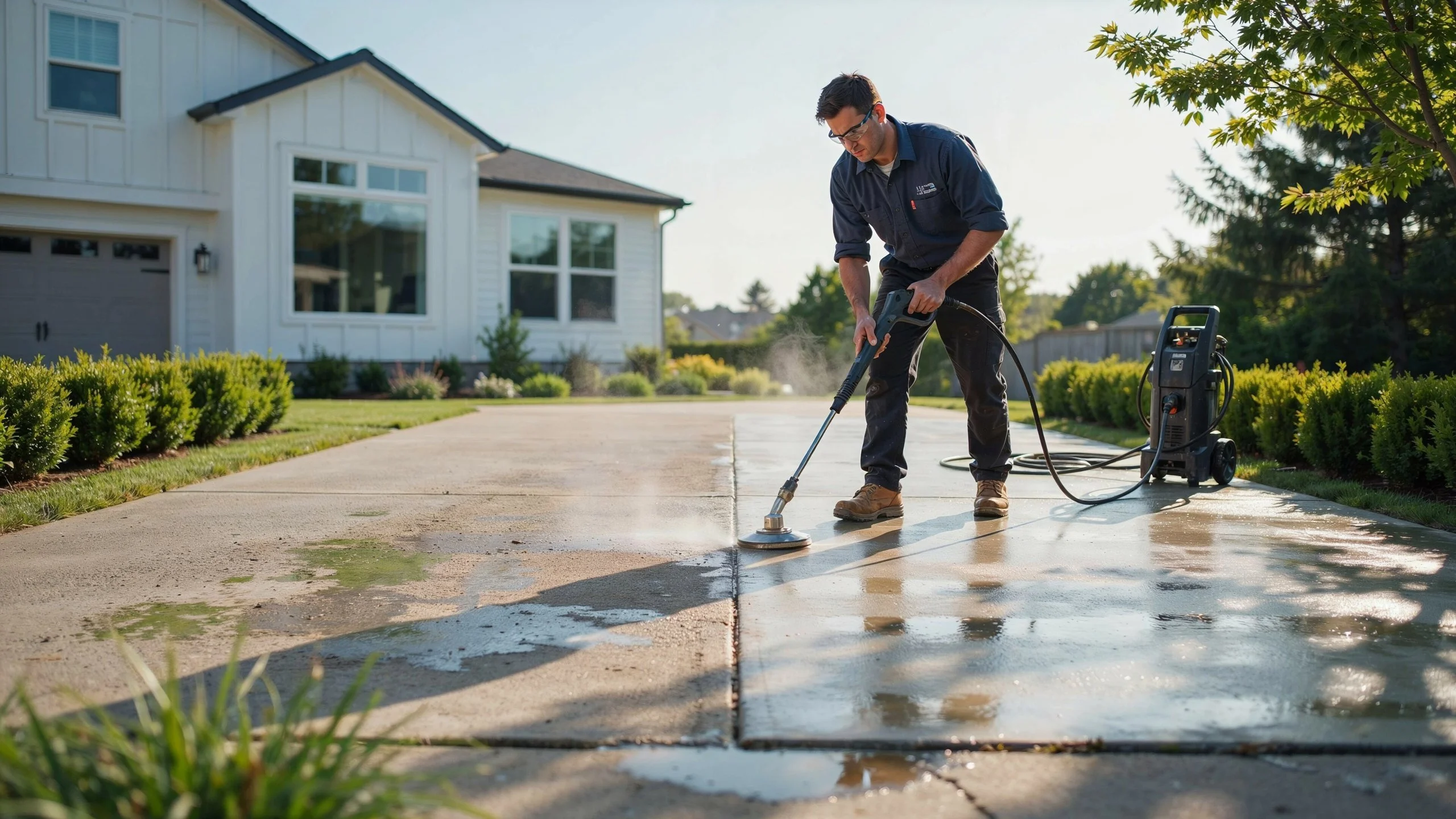
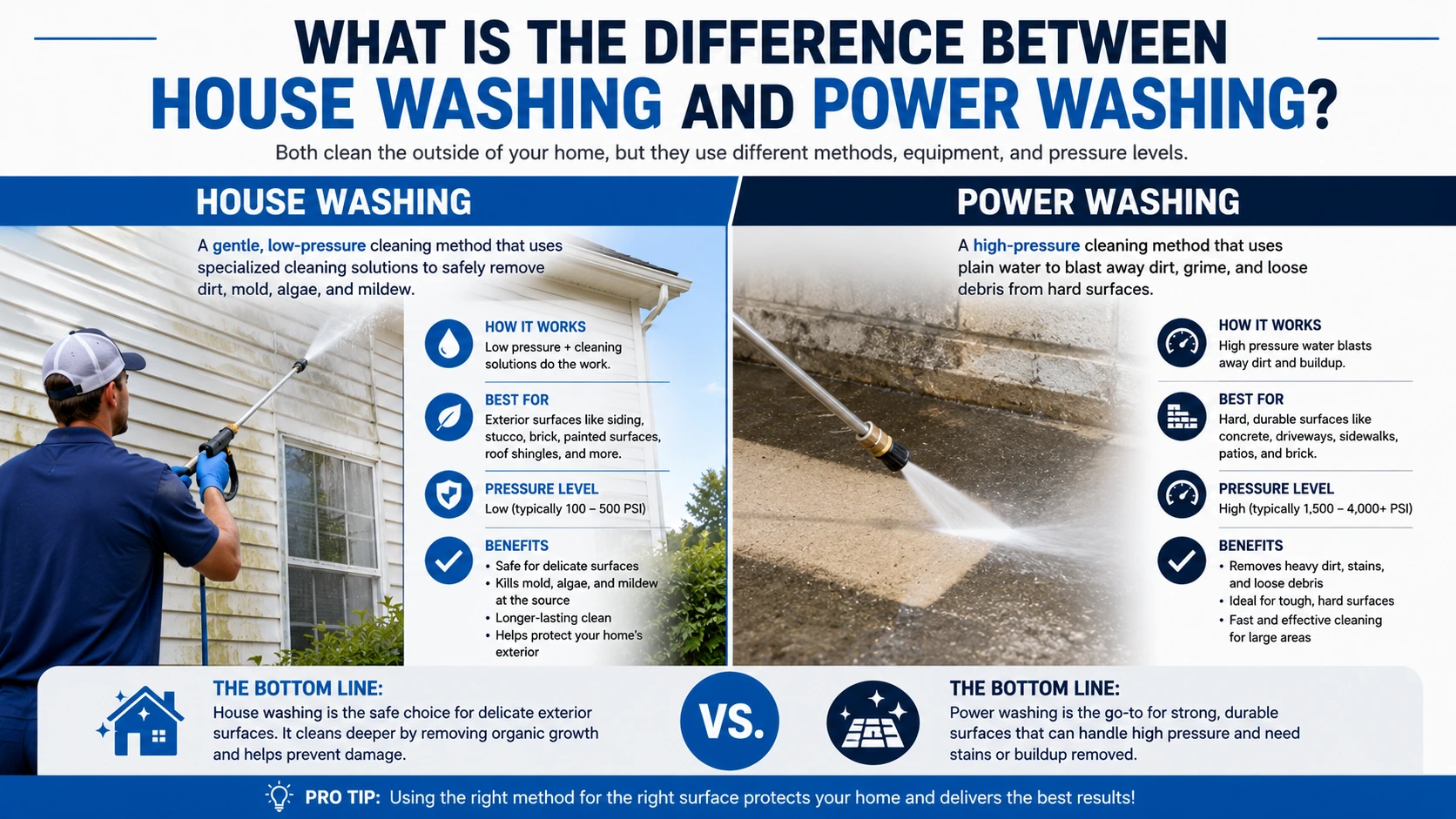
Pressure washing typically runs from 1,500 PSI for light jobs up to 4,000 PSI or more for tough stains on concrete. That kind of force works well on driveways and sidewalks, but it’s too aggressive for most home exteriors.
Soft washing stays in a completely different range, usually under 500 PSI. The difference isn’t just about strength. It’s about matching the method to the material. Pressure washing removes what you can see. Soft washing removes what causes regrowth, which is part of why homeowners often ask how long does soft washing last on siding compared to a quick pressure rinse. The soft wash almost always wins on longevity.
Can You Soft Wash With a Pressure Washer?
Yes, but only with the right setup. A standard pressure washer can be adapted for soft washing by adding a low pressure nozzle and a chemical injector, which mixes the cleaning solution into the water stream at a safe ratio.
Without these adjustments, a regular pressure washer will push out water at full force, which defeats the purpose of soft washing entirely. If you’re using your own equipment, always test pressure on a hidden spot first before treating the whole surface.
How to Choose the Right PSI for Your Home
Start by looking at your siding or roofing material. Delicate surfaces like painted wood or older vinyl need the lowest pressure settings. Sturdier materials like brick or concrete can handle more.
Next, think about the condition of your home’s exterior. Older paint, loose shingles, or cracked stucco all call for gentler pressure than newer, well maintained surfaces. When in doubt, start low and adjust up slowly rather than starting high and risking damage.
If you’re unsure, this is exactly where a professional earns their fee. Getting the PSI wrong isn’t just about a bad clean. It can lead to costly repairs that cost far more than the wash itself.
Common Soft Washing Mistakes to Avoid
A few mistakes come up again and again with DIY soft washing:
- Using too high a PSI setting, which turns a soft wash into a light pressure wash by accident.
- Skipping the chemical injector, so the cleaning solution never mixes properly with the water.
- Holding the nozzle too close to the surface, which increases impact even at low PSI.
- Ignoring plants and landscaping, which can get damaged by runoff if not rinsed properly.
- Washing during the hottest part of the day, which can cause the solution to dry too fast and leave streaks.
Avoiding these mistakes protects both your home and your results. It also ties directly into good soft wash maintenance tips, since a clean, careful application lasts longer than a rushed one.
How Often Should You Soft Wash Your House?
Once you know the right PSI, the next question is timing. How often should you soft wash your house depends on your climate and shade level. Most homes do well with a wash once a year.
Homes in humid or heavily shaded areas may need a wash every 8 to 10 months, while homes in drier climates can sometimes stretch closer to 18 months between treatments. Watching for early streaks or discoloration helps you catch the right timing before buildup gets out of hand.
Why Hire a Professional Soft Washing Company?
Getting the PSI right takes more than a quick online search. It takes hands on experience with different siding types, roofing materials, and local weather conditions that affect how algae and mold grow back.
Bay Softwash provides house washing services in North Bay with equipment calibrated for the right PSI on every surface, from delicate wood trim to sturdy brick. A trained crew adjusts pressure and cleaning solution based on your home’s specific needs, which protects your exterior while still delivering a deep, lasting clean. Hiring a professional also removes the guesswork, so you’re not left wondering if you used too much pressure on a surface that couldn’t handle it.
Conclusion
So, how much PSI do you need to soft wash your home safely? Most jobs call for somewhere between 0 and 500 PSI, with the exact number depending on your siding, roofing, and the condition of your exterior.
Getting the pressure right protects your home and helps your results last longer between treatments. If you’re not confident adjusting PSI yourself, working with a professional team takes the guesswork out of the process and keeps your home looking its best. Contact Bay Softwash today to schedule a professional soft washing service and let our experienced team clean your home safely with the right pressure for every surface.
FAQs
How much PSI do you need to soft wash a house?
Most soft washing jobs use between 0 and 500 PSI, with roofs on the lower end and durable siding on the higher end.
Can I soft wash with a regular pressure washer?
Yes, if you add a low pressure nozzle and a chemical injector to safely mix the cleaning solution into the spray.
Is soft washing safer than pressure washing?
Yes. Lower PSI reduces the risk of stripping paint, cracking stucco, or forcing water behind siding panels.
What PSI is too high for soft washing?
Anything above 500 PSI starts to move away from true soft washing and closer to a light pressure wash.
Does higher PSI mean a better clean?
No. Higher PSI can damage surfaces without improving results, since the cleaning solution does most of the actual work.