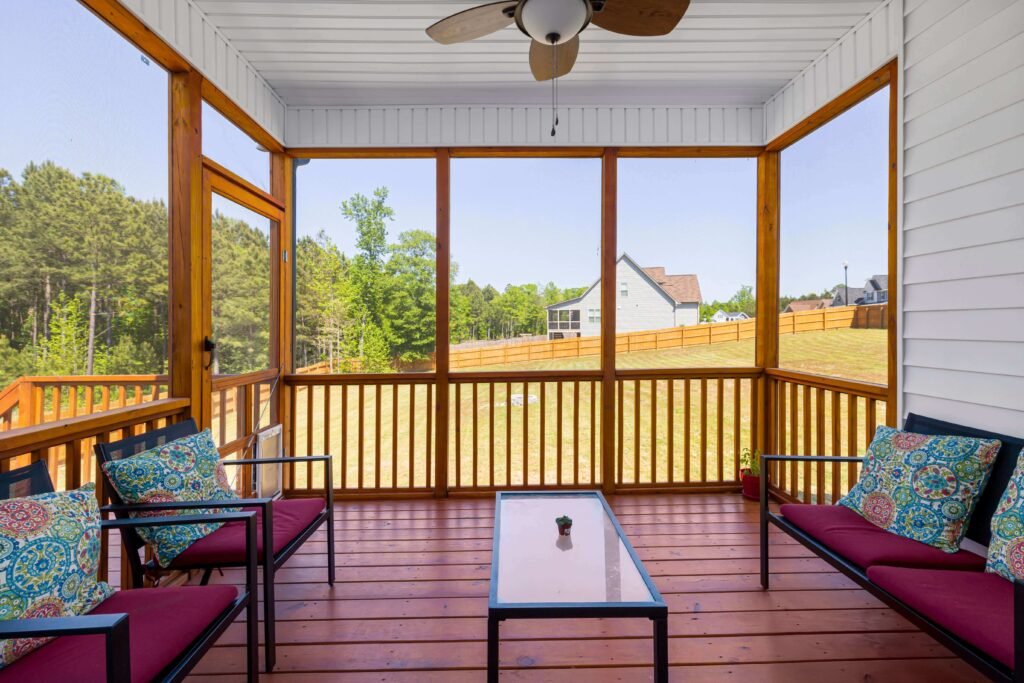

Your deck collects dirt, algae, and grime faster than you’d think. A dirty deck looks worn out and gets slippery when wet. The good news is you don’t need fancy tools or a big budget to bring it back to life.
This guide shows you how to clean decking safely, step by step. You’ll learn what to use, what to skip, and how often to do it. Let’s get your deck looking new again.
What You Need to Clean Decking
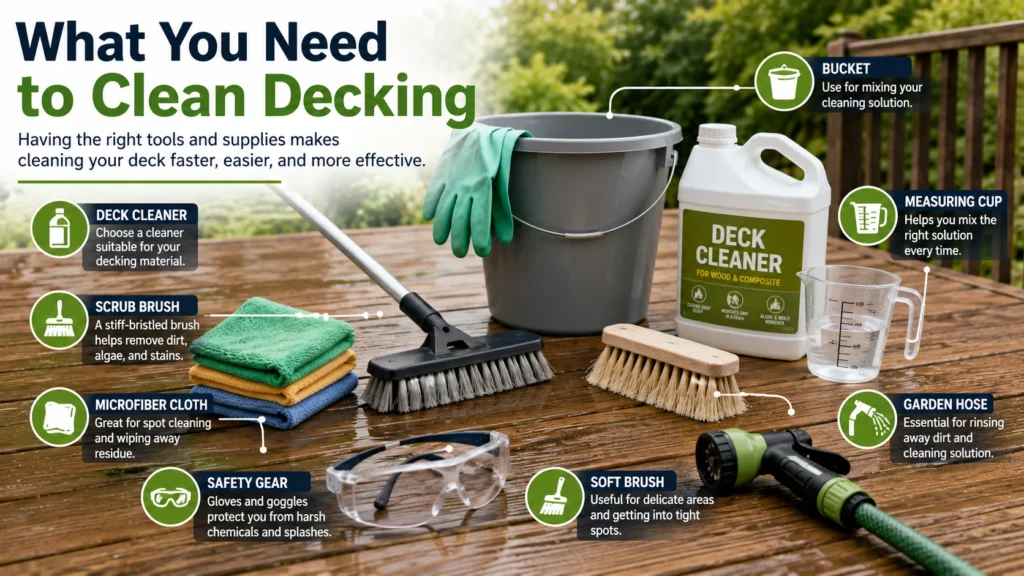
Before you start, gather a few basic supplies. Most of these are already sitting in your garage or under the sink.
- A stiff bristle deck brush (nylon, not wire)
- A garden hose with a spray nozzle
- A bucket
- Mild dish soap or a dedicated deck cleaner
- Rubber gloves and eye protection
- A tarp or old sheet to cover nearby plants
- A pressure washer, if you have one
Skip steel wool and wire brushes. They scratch wood and strip the finish off composite boards.
Identify Your Decking Material Before Cleaning
Not every deck is built the same, and the cleaner you use should match the material. Using the wrong product can damage the surface or fade the color.
Wood decks, including pressure-treated pine and cedar, soak up moisture and stains easily. If you’re wondering how to clean a wooden deck, you’ll need a gentler touch and more frequent care, since wood is porous and prone to mildew.
Composite decking is made from wood fibers and plastic. It resists rot, but dirt and mold still build up on the surface. If you’re figuring out how to clean composite decking, stick to cleaners made for composite material. Harsh chemicals can dull the finish or void the warranty.
PVC decking is the toughest of the three. It handles most cleaners well, but a soft brush is still your best friend.
How to Clean Decking Step by Step
Once you know your deck material, follow these steps to get it clean.
- Clear the deck. Move furniture, planters, and rugs off the surface.
- Sweep away loose debris. Leaves, dirt, and twigs get in the way of a good scrub.
- Wet the entire deck with your hose. This keeps the cleaner from soaking in too fast and streaking.
- Apply your cleaner. Mix it as directed and spread it evenly with a brush or sprayer.
- Scrub with the grain. For wood, always brush along the wood grain, not across it. For composite, use small circular motions.
- Let the cleaner sit. Give it 10 to 15 minutes to break down grime, but don’t let it dry on the surface.
- Rinse thoroughly. Use your hose on a strong setting to wash away all soap and loosened dirt.
- Let it dry fully before walking on it or adding furniture back.
This simple routine covers most of what people search for when they ask how to clean decking, but a few stains need extra attention.
How to Remove Common Decking Stains
Some marks won’t come out with plain soap and water. Here’s how to handle the most common ones.
Mildew and mold: Mix one part white vinegar with four parts water. Spray it on, let it sit for 15 minutes, then scrub and rinse.
Rust stains: These usually come from metal furniture legs or nails. A paste of baking soda and water, left on for 20 minutes, lifts most rust marks.
Grease and food stains: Blot up excess grease first, then scrub with dish soap and warm water.
Tannin stains from leaves: Oxygen bleach works well here. Sprinkle it on the wet stain, let it sit, then scrub and rinse.
Can You Pressure Wash Decking?
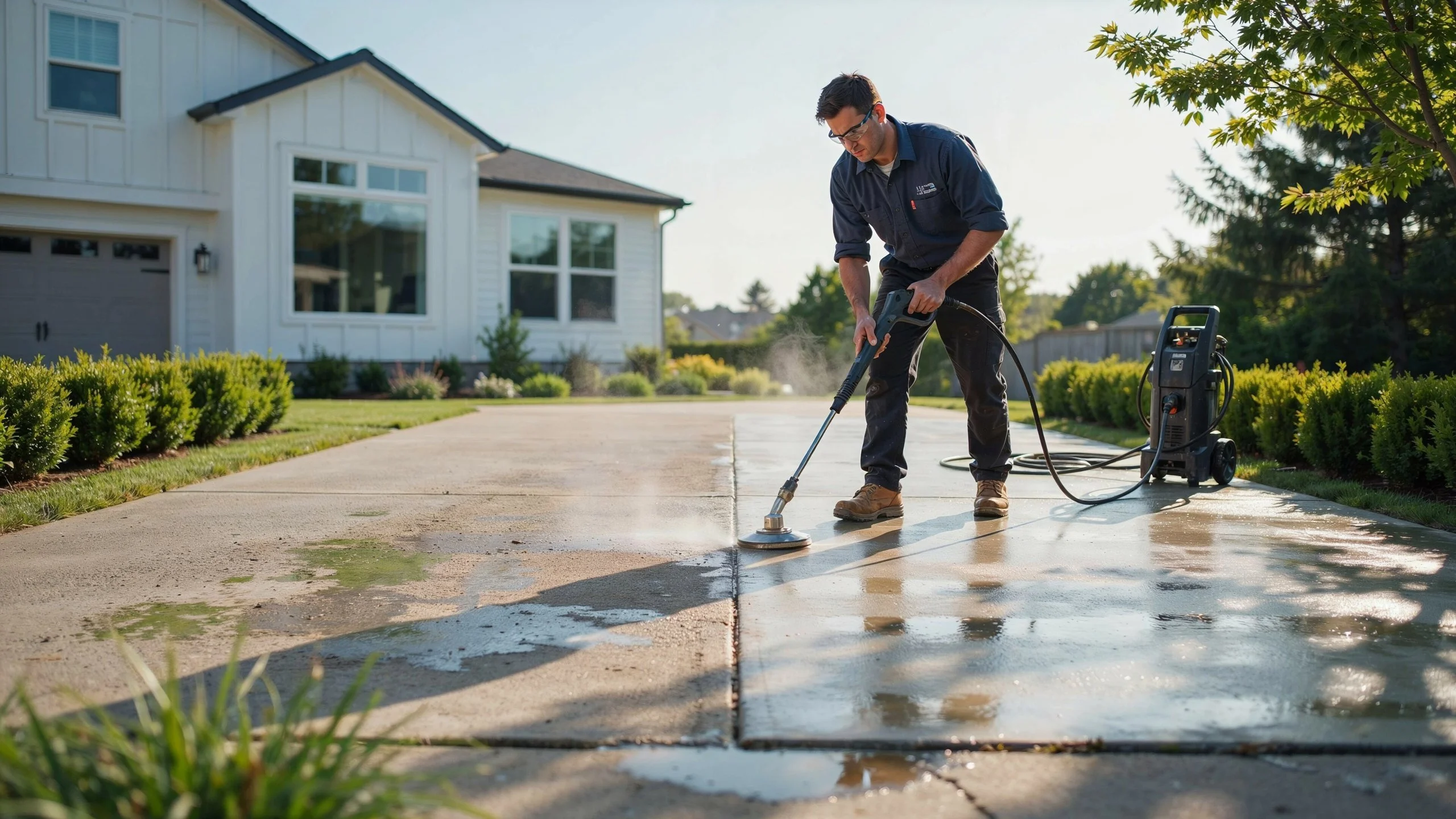
Yes, but you need to be careful. A pressure washer set too high can gouge wood, strip the finish, or even splinter the boards.
For wood decks, keep the pressure under 1,200 to 1,500 PSI and use a wide fan tip, never a narrow jet. Hold the nozzle at least 8 inches from the surface and keep it moving.
For composite decking, most manufacturers recommend staying under 3,100 PSI with a fan tip, and always check your product’s care guide first. Some warranties get voided if you pressure wash incorrectly.
How to Clean Decking Without a Pressure Washer
You don’t need a pressure washer to get great results. A stiff brush, warm water, and a bit of elbow grease work just as well for most decks.
Mix warm water with dish soap or oxygen bleach in a bucket. Scrub the deck by hand, section by section, then rinse with a garden hose. It takes longer than a pressure washer, but it’s gentler on older or weathered boards.
What Is the Best Cleaner for Decking?
The best way to clean decking depends on the material and how dirty it is.
- Dish soap and water: Great for light dirt and regular upkeep on any deck type.
- Oxygen bleach cleaner: Safe for wood and composite, and it lifts tough stains without damaging color.
- Commercial wood deck cleaner: Designed for pressure-treated or cedar decks with heavy mildew or graying.
- Composite-specific cleaner: Formulated to avoid stripping the protective cap on composite decking boards.
Avoid chlorine bleach on composite decking. It can cause fading and discoloration over time.
Common Deck Cleaning Mistakes
A few habits can undo all your hard work. Watch out for these:
- Scrubbing wood against the grain, which raises fibers and roughs up the surface
- Using a pressure washer on high settings too close to the boards
- Skipping the rinse step, which leaves soap residue behind
- Cleaning in direct sunlight, since cleaner dries too fast and streaks
- Ignoring the gaps between boards, where mold and debris build up fastest
How Often Should You Clean Decking?
Most decks need a deep clean once or twice a year, usually in spring and fall. Wood decks in shaded or humid areas may need more frequent attention because moisture speeds up mildew growth.
A quick sweep and rinse every few weeks keeps dirt from building up between deep cleans. If you notice algae, dark spots, or a slippery surface, that’s your sign it’s time to clean sooner.
What to Do After Cleaning Your Deck
Once your deck is dry, check if it needs a new coat of sealant or stain. Wood decks usually need resealing every one to three years, depending on sun exposure and foot traffic.
Composite and PVC decking don’t need sealing, but a quick inspection for loose boards or screws is still worth doing. Wait at least 24 to 48 hours after cleaning before applying any sealant, so the wood has time to dry completely.
When to Hire a Professional Deck Cleaning Service
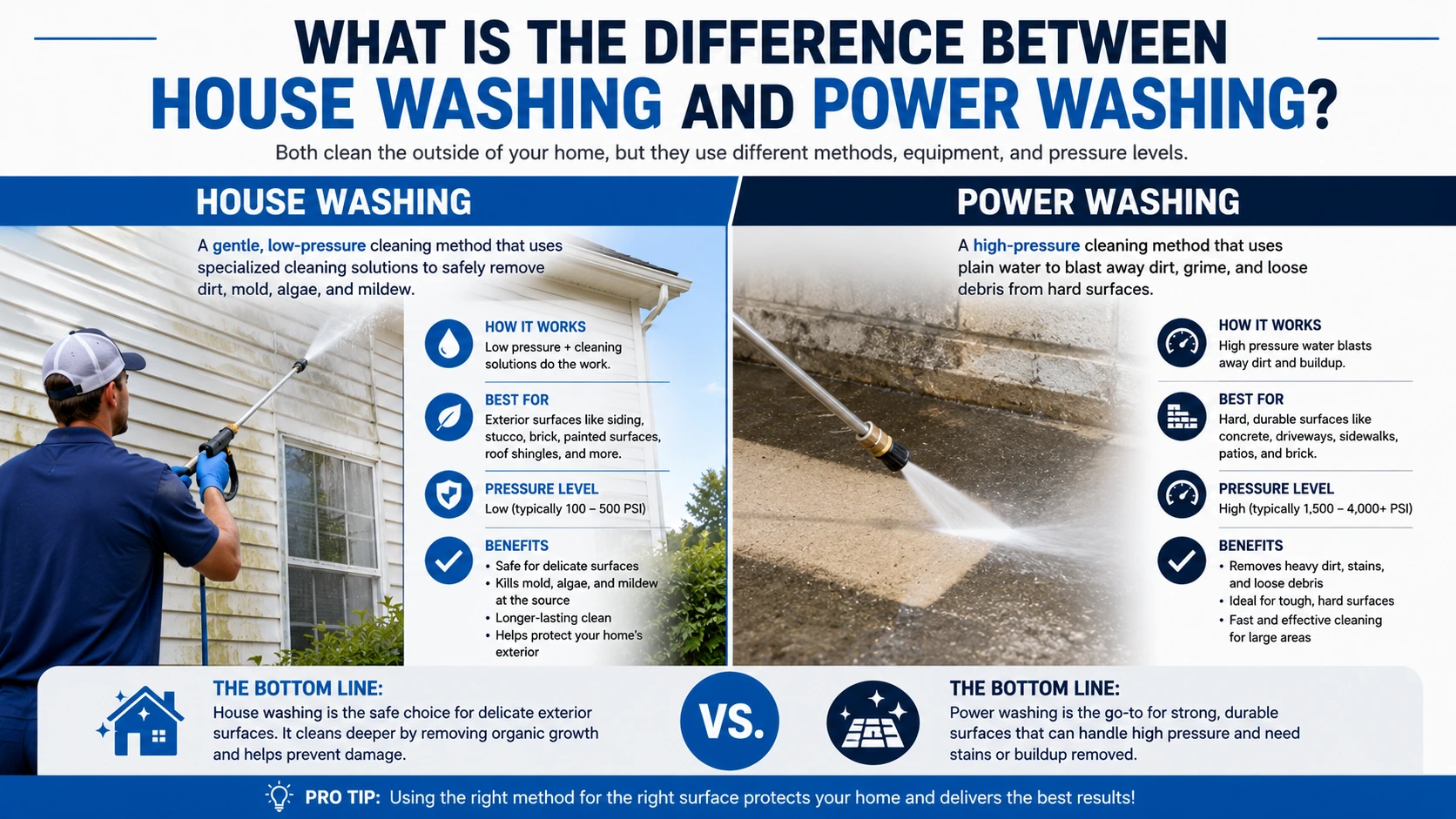
Some jobs are worth handing off. If your deck has years of buildup, deep stains, or mold that keeps coming back, a professional has the tools and experience to fix it properly without damaging the surface.
A professional Deck Cleaning Service In North Bay, like the team at Bay Softwash, uses softwashing methods that clean deeply while protecting your wood or composite boards. This approach lowers the pressure and relies on the right cleaning solution to do the work, which means less risk of splintering or stripping the finish. If your deck hasn’t been cleaned in years, or you just don’t have the time, calling in a pro saves you the guesswork.
Conclusion
Knowing how to clean decking properly protects your investment and keeps your outdoor space safe to walk on. Start by identifying your decking material, gather the right supplies, and work through the cleaning steps carefully.
Handle stains as they appear, and stick to a regular cleaning schedule so dirt, algae, and grime never get out of hand. When the job feels too big to tackle yourself, a trusted local professional can take it off your plate. Contact us today to get started and give your decking the care it deserves.
FAQs
How long does it take to clean a deck?
Most decks take one to three hours to clean, depending on size and how dirty they are.
Can I use laundry detergent to clean my deck?
It’s better to stick with dish soap or a cleaner made for decking. Laundry detergent can leave residue and isn’t formulated for outdoor surfaces.
Does vinegar damage composite decking?
Diluted vinegar is generally safe for composite boards, but always test a small hidden spot first.
Should I clean my deck before or after staining?
Always clean first. Staining over dirt or mildew traps grime under the finish and shortens its lifespan.
Why does my deck get slippery when wet?
Algae and mildew build up on the surface and create a slick film. Regular cleaning removes this buildup before it becomes a safety hazard.