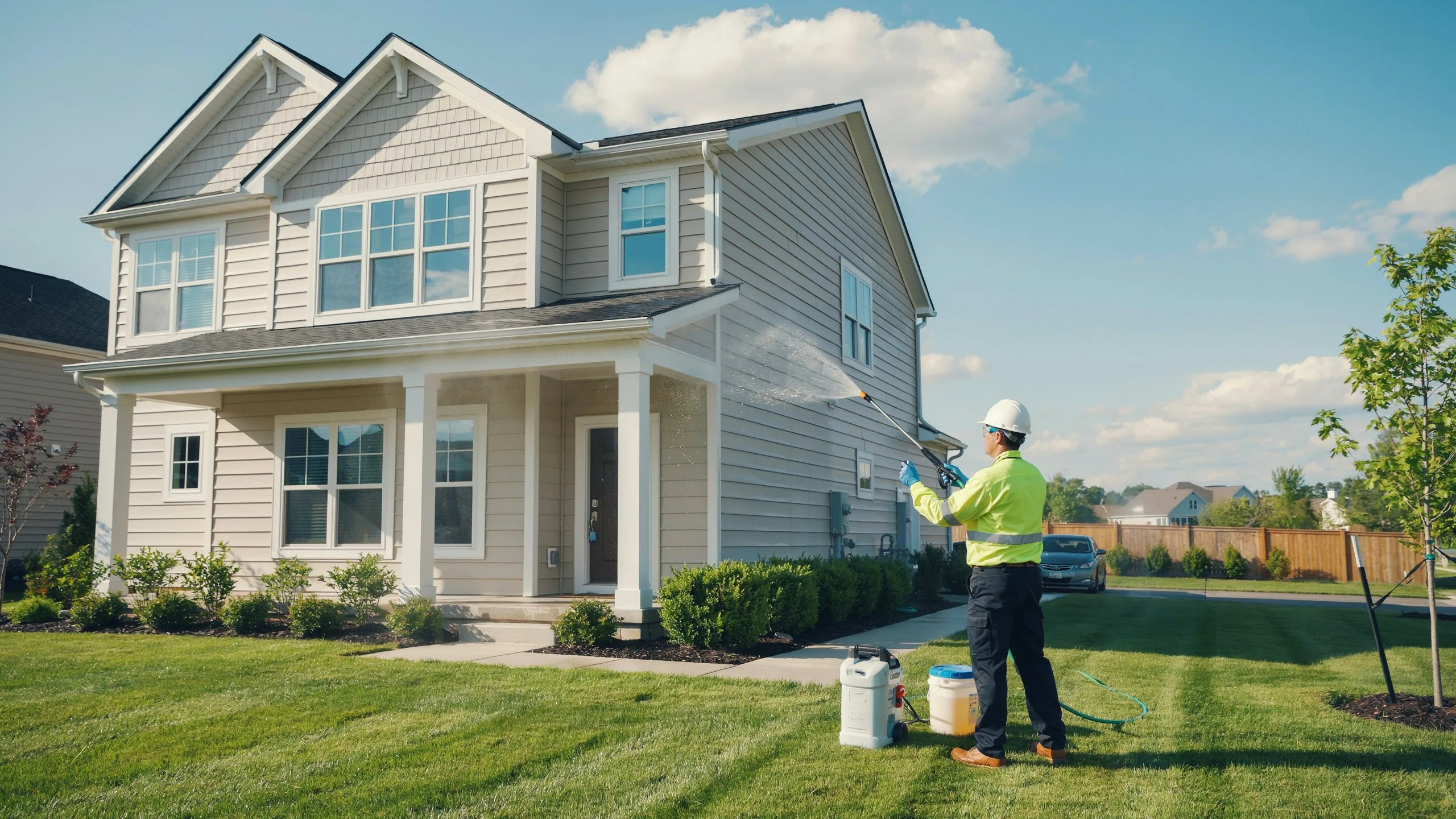
Soft washing is safe for many homes when the right method, solution, and water pressure are used. It is designed to clean exterior surfaces without the force of traditional power washing.
If you are asking Which Surfaces Can Be Soft Washed?, the answer includes many common materials, such as siding, roofs, stucco, brick, and some wood surfaces. The key is matching the cleaning method to the material.
How Soft Washing Works
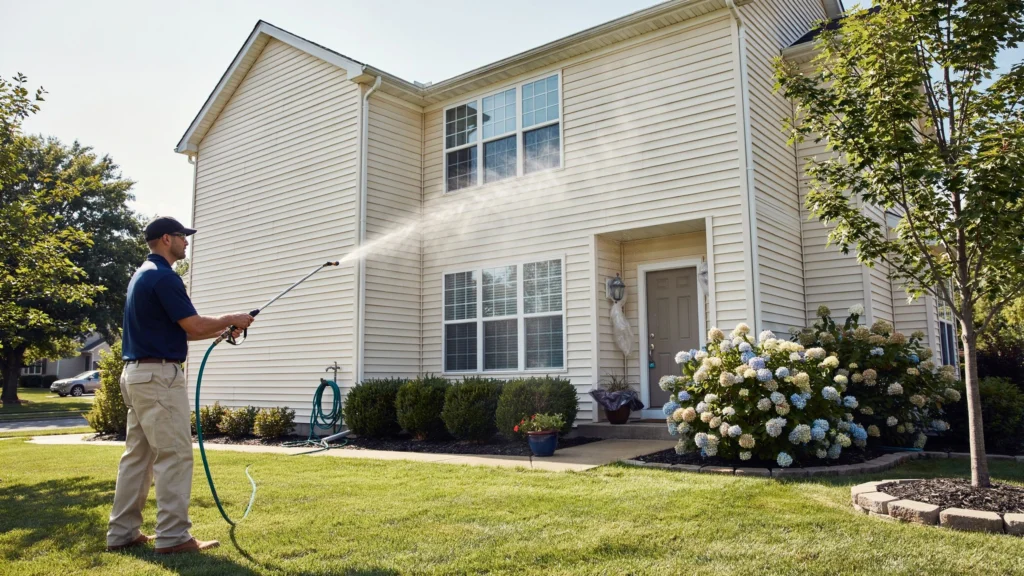
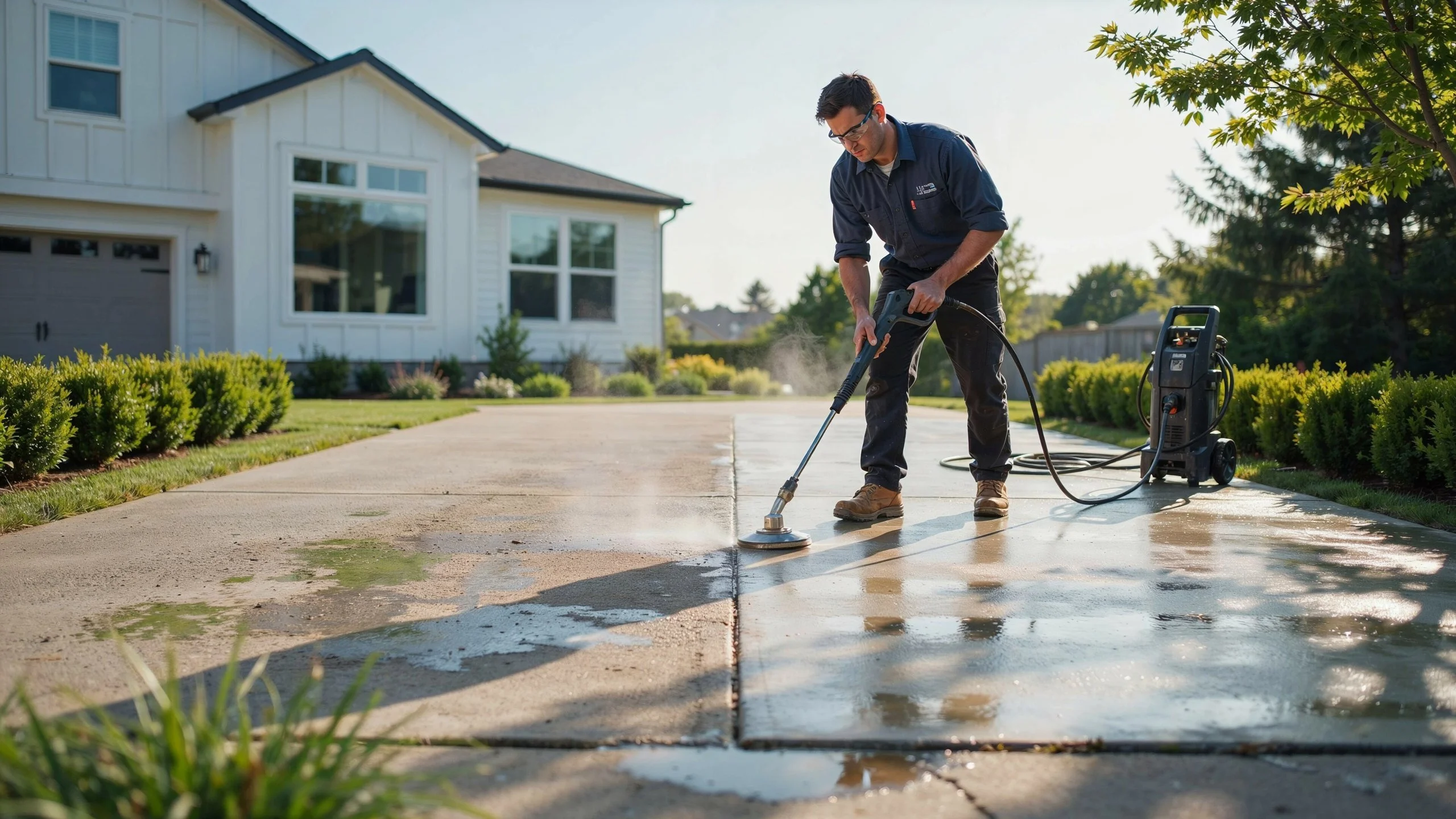
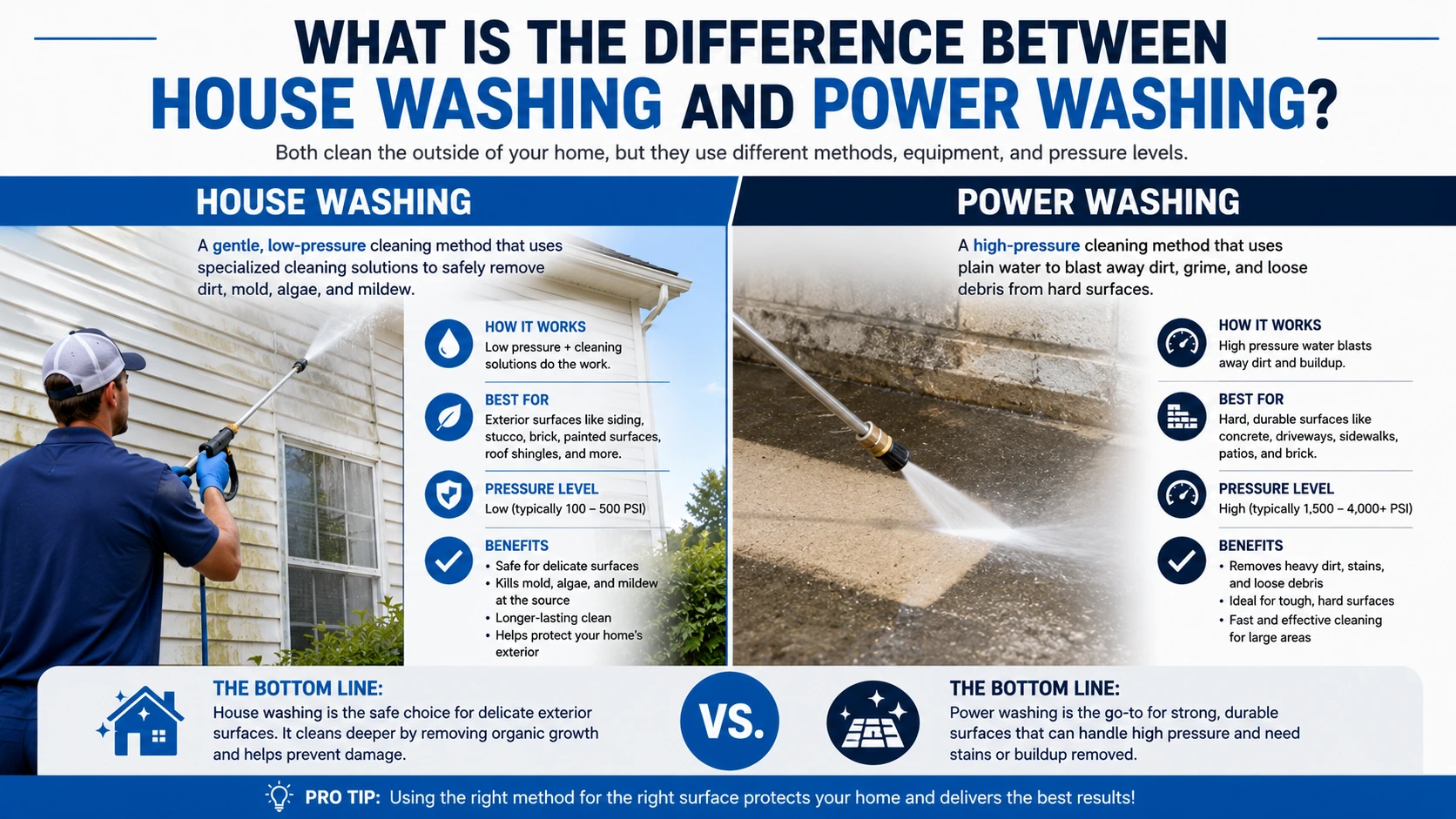
Soft washing uses a cleaning solution with low water pressure. The solution helps break down organic growth, dirt, and stains before they are rinsed away. This differs from high-pressure washing. High pressure depends more on water force to remove buildup. That force can be useful on some hard surfaces, but it can also harm delicate materials when used incorrectly.
A soft wash focuses on the cleaning solution rather than water pressure alone. The goal is to loosen unwanted growth and grime without cutting into the surface. A proper soft wash usually starts with an inspection. A technician checks the material, its condition, nearby plants, windows, fixtures, and areas that may need extra care. The cleaning approach should then be adjusted to the property. There is no single pressure setting or cleaning mix that works for every home.
This matters because old siding, painted wood, roof shingles, and stucco can react differently to water and cleaning products.
Is soft washing safe?
Yes, soft washing can be a safe choice when trained professionals use suitable products and techniques. However, “soft” does not mean risk-free. Cleaning solutions still need careful handling. Workers should use suitable protective equipment and follow product instructions. OSHA notes that cleaning work can involve risks from chemical exposure, spray, slippery surfaces, and other hazards.
The safest approach is to inspect first, protect the surrounding area, apply the right solution, and rinse correctly.
Which Surfaces Can Be Soft Washed?
Which Surfaces Can Be Soft Washed? This question matters because every exterior material has different cleaning needs.
Vinyl siding
Vinyl siding is one of the common surfaces suited to soft washing. Low pressure can help reduce the chance of damaging the siding or forcing water behind panels.
A proper cleaning can remove algae, mildew, dirt, and other organic buildup.
Roof shingles
Many asphalt shingle roofs can benefit from a low-pressure cleaning approach. High pressure can be too aggressive for roofing materials.
Soft washing allows the cleaning solution to do much of the work. The roof can then be rinsed without blasting the shingles with excessive force.
Roof condition still matters. A technician should inspect the roof before cleaning it.
Stucco
Stucco can have a textured surface that collects dust and organic growth. Strong pressure may damage the finish or create unwanted surface wear.
A controlled soft wash can provide a gentler option when the stucco is suitable for cleaning.
Brick
Brick can often be cleaned with low-pressure methods. Mortar joints deserve extra attention because they may be weaker than the brick itself.
A technician should avoid using unnecessary force. The cleaning method should account for the age and condition of the masonry.
Painted siding
Painted surfaces need care because aggressive pressure can strip paint or leave visible marks.
Soft washing can reduce the mechanical force placed on the surface. However, peeling or damaged paint should be identified before cleaning.
Wood
Wood requires more care than many other exterior materials. Old boards, loose paint, soft areas, and damaged finishes can react poorly to water.
Soft washing may be suitable for some wood surfaces, but the technician should inspect the material first.
Other exterior surfaces
Depending on their condition, soft washing may also be used for areas such as:
- Fences
- Decks
- Outdoor walls
- Certain composite materials
- Exterior trim
- Some concrete and masonry areas
If you are considering a House Washing service In north bay, ask the company how it plans to treat each surface. A good contractor should explain the method instead of treating every material the same way.
Why Soft Washing Can Be Safer Than High-Pressure Washing
The biggest difference is the amount of mechanical force used during cleaning. High-pressure water can be effective, but excessive pressure may cause problems. It can damage paint, loosen siding, disturb mortar, or drive water into areas where it does not belong. Soft washing reduces that force. The cleaning solution handles more of the work, while water is used at a lower pressure for application and rinsing.
This makes low pressure exterior cleaning useful for surfaces that need a more careful approach. Still, lower pressure does not automatically make every job safe. A poorly chosen chemical or incorrect application can cause problems.
For example, a cleaning solution that is suitable for one material may not be right for another. Plants, outdoor furniture, painted surfaces, metals, and nearby fixtures also need consideration.
That is why good soft washing safety starts before the hose is turned on.
A technician should check:
- What material is being cleaned?
- Is the surface damaged or already weak?
- What type of buildup is present?
- What cleaning solution is appropriate?
- Where will the runoff go?
- Which plants and fixtures need protection?
- How will the area be rinsed?
These simple checks can prevent many avoidable problems.
Does Soft Washing Damage Plants or Landscaping?
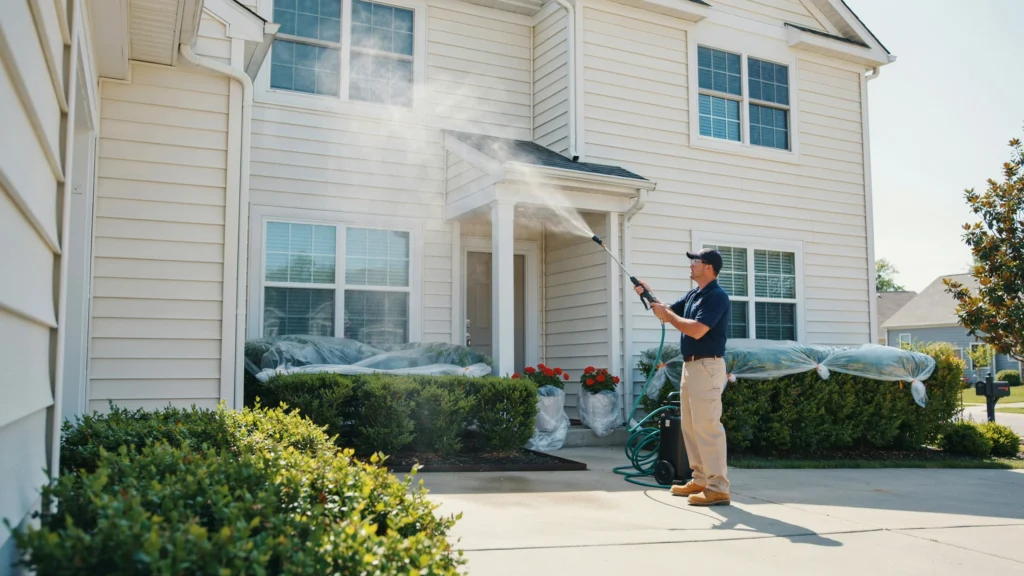
It can if the surrounding area is not protected. A professional should look at landscaping before applying a cleaning solution. Plants near walls, windows, roofs, and walkways may need protection and thorough rinsing. Outdoor furniture, grills, decorative items, electrical fixtures, and other sensitive objects should also be considered. Runoff is another important issue. Cleaning wastewater should not simply be allowed to flow into storm drains.
Local rules vary, but stormwater guidance commonly focuses on preventing polluted wash water from reaching drainage systems and nearby waterways. This is an important part of responsible exterior cleaning. A contractor should know where the water is going before the cleaning begins.
What should homeowners do before soft washing?
Homeowners can help by moving outdoor furniture, closing windows, securing pets, and clearing items from areas being cleaned.
Tell the technician about delicate plants or areas that have had previous damage. If you know of loose siding, cracked stucco, damaged shingles, or peeling paint, point those areas out before work starts. These small steps make the job easier and help reduce the chance of surprises.
When Soft Washing May Not Be the Right Choice
Soft washing is useful, but it is not the answer for every surface or situation. A heavily damaged surface may need repair before cleaning. Loose paint, rotten wood, cracked siding, broken shingles, or failing mortar can become worse during any cleaning process. Some stains also need a different treatment. Oil, rust, paint, and certain mineral deposits may require specialized methods.
This is why a surface inspection matters. A reliable contractor should be willing to say when a particular cleaning method is not appropriate. That kind of honesty is more valuable than promising that every surface can be cleaned the same way.
The Importance of Professional Soft Washing
Choosing professional safe soft washing services can help homeowners avoid common mistakes. An experienced technician should understand how different materials respond to water pressure and cleaning products. They should also know how to protect landscaping and manage runoff.
At Bay SoftWash, the focus should be on the condition of the property, not simply the appearance of the finished surface. A good cleaning process should include an inspection, surface-specific treatment, protection of nearby areas, controlled application, and proper rinsing.
Professional work also matters because exterior cleaning can involve chemical exposure and slippery conditions. OSHA guidance highlights the need for suitable protection when workers may face chemical splashes, spray, or other cleaning hazards.
Homeowners should ask a few simple questions before hiring a contractor:
- What method will you use on my siding?
- How will you protect my plants?
- What happens to the runoff?
- Will you inspect damaged areas first?
- Do you adjust the cleaning method for different materials?
- What safety steps do your technicians follow?
Clear answers can tell you a lot about the company.
Soft Washing vs. Pressure Washing
Both methods have their place. The right choice depends on the surface and the type of cleaning required.
| Soft Washing | Pressure Washing |
| Uses lower water pressure | Uses higher water pressure |
| Relies more on cleaning solutions | Relies more on water force |
| Often suited to delicate surfaces | Often suited to durable surfaces |
| Can reduce surface impact | Can remove tough surface debris |
| Requires careful chemical handling | Requires careful pressure control |
The question should not be which method is always better. The better question is which method is right for your property. For delicate exterior materials, soft washing may provide a safer cleaning approach. For durable surfaces, controlled pressure washing may be more suitable.
How to Choose a Safe Soft Washing Company
Start by looking for a company that explains its process clearly. Avoid contractors who promise that one pressure setting or one cleaning method works for every surface. Exterior materials vary, and professional cleaning should reflect those differences. Look for signs of experience, clear service information, proper safety practices, and real examples of completed work.
Reviews can also help, but do not rely on ratings alone. Look for details about how the company handled the property. A trustworthy company should also be willing to inspect the property before recommending a service. For Bay SoftWash, the goal should be simple: clean the exterior while protecting the materials and surrounding property.
Conclusion
So, Which Surfaces Can Be Soft Washed? Many common exterior surfaces can be treated with soft washing, including siding, roof shingles, stucco, brick, painted surfaces, and some wood. Safety depends on more than using low pressure. The surface must be inspected, the right cleaning solution must be selected, nearby areas should be protected, and wastewater should be handled responsibly.
Soft washing can be an excellent choice for homeowners who want effective exterior cleaning without unnecessary pressure. If you are unsure which method your property needs, have it inspected first. Contact Bay SoftWash today to discuss your home’s exterior cleaning needs and find the right approach for your property.
FAQs
Is soft washing safe for vinyl siding?
Yes. Vinyl siding is commonly suited to soft washing when the correct cleaning solution and pressure are used. An inspection should come first if the siding is damaged or loose.
Can soft washing clean a roof?
Soft washing can be suitable for many asphalt shingle roofs. It uses less mechanical force than high-pressure cleaning, which can help reduce the risk of damaging shingles.
Is soft washing safe for plants?
It can be, when plants are properly protected and rinsed. A professional should assess nearby landscaping before applying cleaning solutions.
Does soft washing use chemicals?
Soft washing generally uses a cleaning solution to break down organic growth and dirt. The product and application method should be selected based on the surface being cleaned.
Is soft washing better than pressure washing?
Neither method is best for every job. Soft washing is often better suited to delicate surfaces, while controlled pressure washing can work well on durable materials.
How often should a home be soft washed?
There is no fixed schedule for every home. Local weather, shade, moisture, trees, and organic growth can affect how often exterior cleaning is needed.