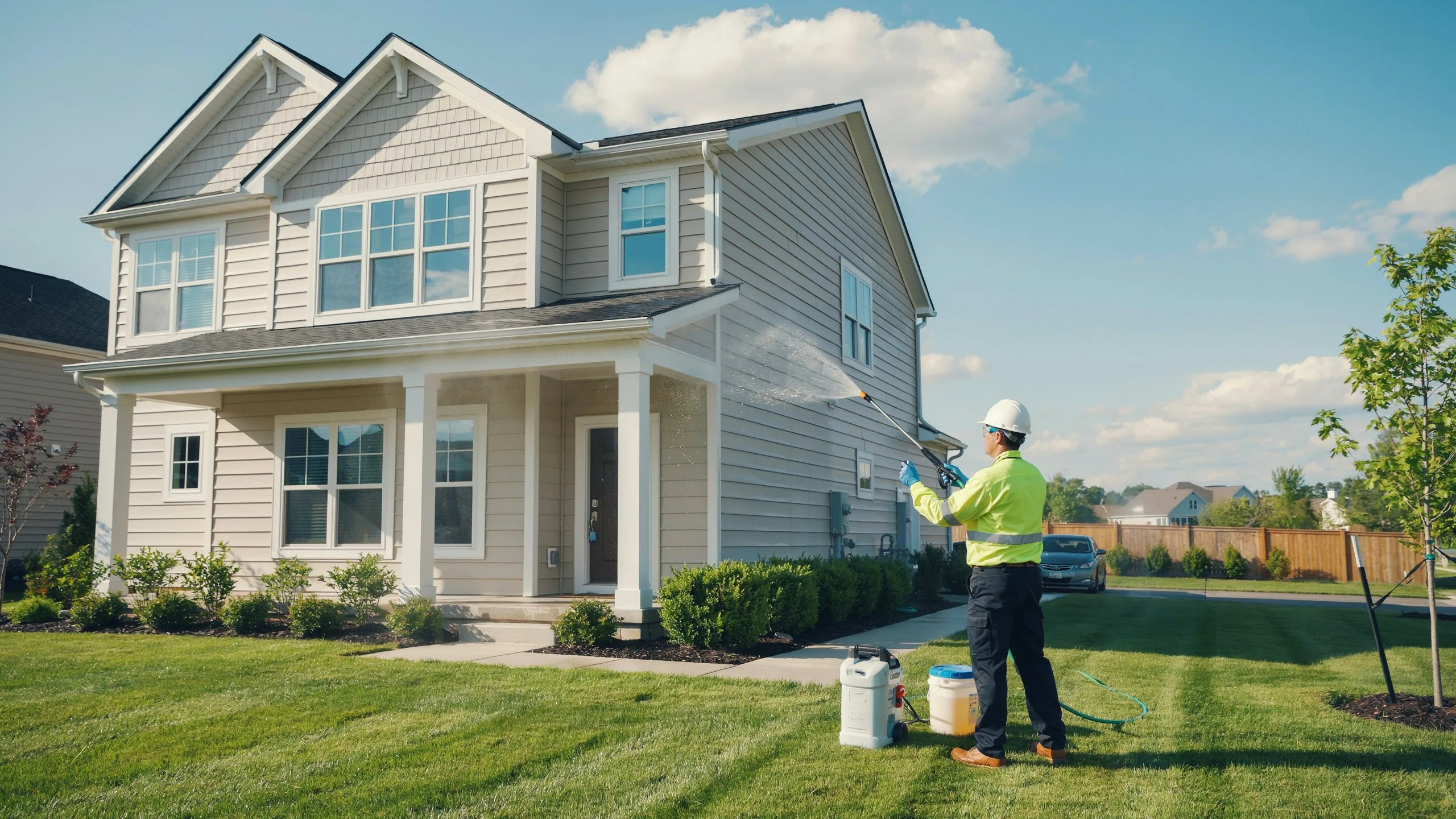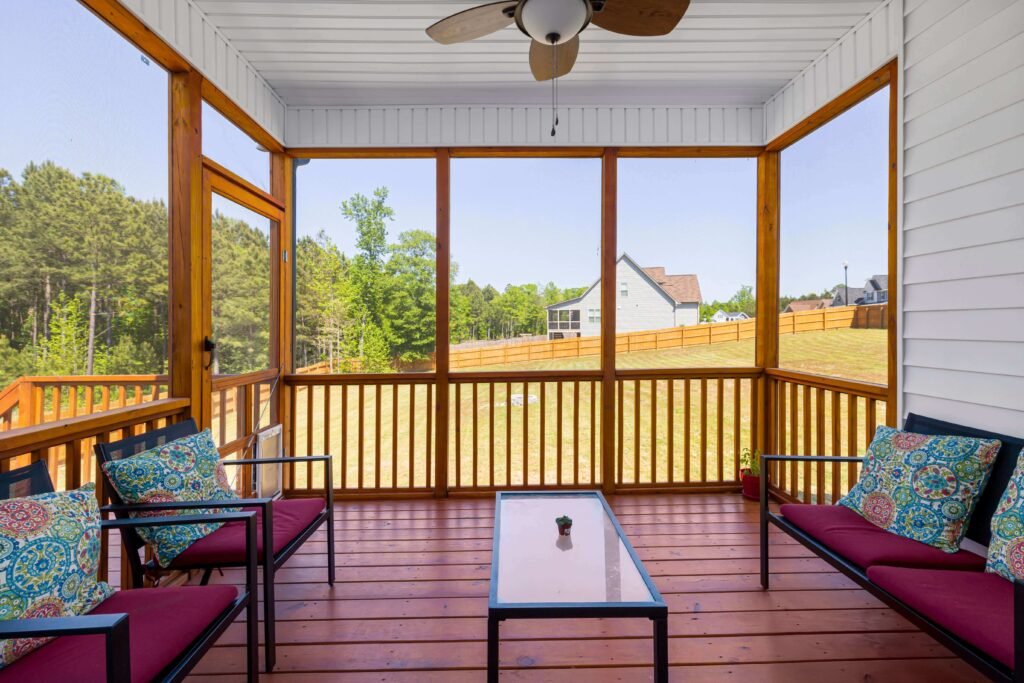

A wood deck faces sun, rain, dirt, foot traffic, and changing temperatures every season. Over time, these conditions can dry the boards and damage the wood surface. Staining adds a protective layer while giving the deck a fresh, cared-for look. It can also help reduce moisture damage and slow surface weathering.
So, What are the benefits of staining my deck? The biggest benefits include better deck protection, improved appearance, stronger weather resistance, and easier deck maintenance. A good stain can also support wood preservation when the deck is properly prepared and maintained.
What are the benefits of staining my deck?
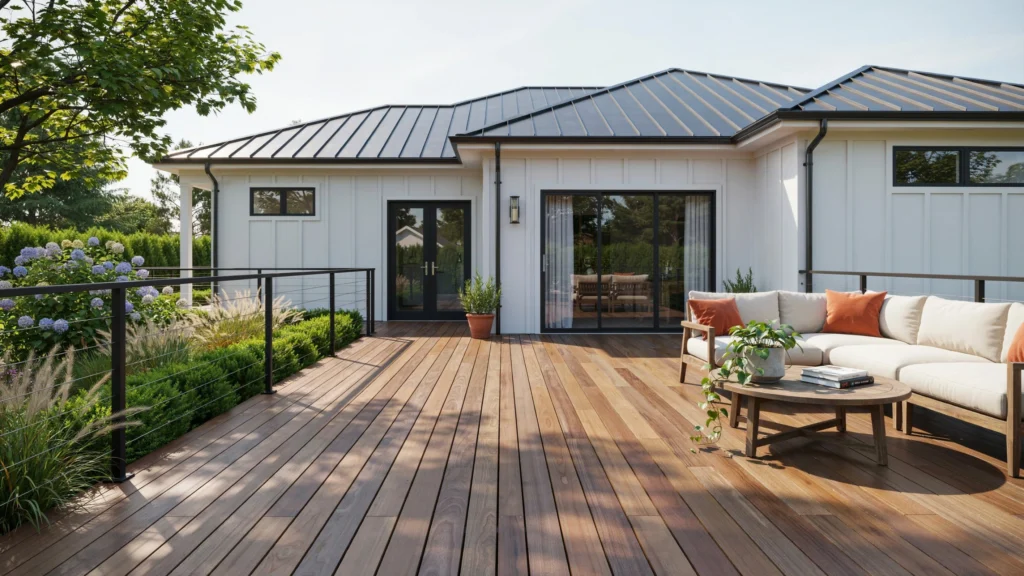
The answer starts with protection. Outdoor wood is exposed to conditions that can slowly break down its surface. The USDA Forest Service notes that exterior stains help protect wood from sunlight and moisture. It also explains that penetrating stains are less likely to crack or peel like some film-forming finishes.
That makes staining more than a cosmetic upgrade. It is part of a smart maintenance plan for many wood decks. Still, stains are not a permanent shield. It cannot stop every form of wear or prevent structural problems. The wood must be clean, sound, and ready before the finish is applied. Here are the main reasons homeowners choose to stain their decks.
Protects Against Weather Damage
Weather is one of the biggest threats to an outdoor wood deck. Rain allows wood to absorb moisture. Sunlight can dry the surface and break down wood fibers. Repeated wet and dry cycles can cause boards to swell, shrink, crack, and develop rough areas. A quality exterior stain can help slow these changes.
Helps reduce moisture exposure
Water that sits on unfinished wood can move into the surface. Repeated moisture exposure can create conditions that support decay and other wood problems. Stain can help reduce how quickly water enters the wood. Some products also contain water-repellent ingredients.
This does not mean your deck becomes waterproof. Wood still responds to changes in humidity and moisture. The goal is to slow the process and give the surface added protection.
Helps block UV damage
Sunlight can fade natural wood and change its color. Long exposure can also break down the surface fibers. Pigmented stains offer added UV protection. The USDA Forest Service explains that pigment helps protect wood from sunlight.
If your deck receives strong afternoon sun, stain color and pigment level matter. A more pigmented product may offer better protection than a clear finish.
Prevents Rot and Decay
Staining does not magically prevent wood rot. However, proper finishing can help reduce some conditions that contribute to wood deterioration. Moisture is a major concern because persistently wet wood is more likely to develop decay problems. A maintained finish can help limit moisture exposure.
The USDA Forest Service reports that decks without proper maintenance can develop cracks, raised grain, mildew, decay, and insect-related problems. Additional finishing can help reduce cracking and mildew growth. Good wood preservation also starts with inspection.
Before staining, look for:
- Soft or spongy boards
- Deep cracks
- Loose fasteners
- Rot near posts and stairs
- Damaged railings
- Areas that stay wet
- Mold or mildew growth
Do not stain over serious damage and expect the finish to fix it. Damaged boards should be repaired or replaced first. This simple step can save money because small problems are easier to address than major deck repairs.
Improves the Appearance
Protection is important, but appearance still matters. A stained deck can look cleaner, richer, and more finished. Stain can also bring out the natural grain of wood while adding color. Different stain types create different results.
Transparent stains show more of the natural wood. They work well when the existing grain is attractive.
Semi-transparent stains add color while allowing much of the grain to remain visible.
Solid stains provide stronger color coverage. They can help create a more uniform look when the wood has uneven color or visible aging.
The right choice depends on the wood condition, desired appearance, sun exposure, and maintenance plan. Do not choose a stain based on color alone. The product must also suit the type of wood and the deck’s exposure.
Increases Home Appeal
A deck is part of your outdoor living space. Its condition can affect how the entire backyard looks. Faded, gray, dirty boards can make an otherwise well-kept home feel neglected. A freshly stained deck creates a cleaner visual connection between the house and yard. This can matter when you plan to sell your home.
A beautiful deck will not replace needed repairs or guarantee a higher selling price. However, a clean and maintained outdoor area can make a stronger first impression. Staining can also make outdoor spaces feel more comfortable for everyday use. A refreshed deck gives you a better place for meals, guests, relaxing, or family activities.
Easier Maintenance
Deck maintenance becomes easier when you protect the wood before problems grow. A stained surface can be easier to clean than heavily weathered, unfinished wood. Regular cleaning also makes it easier to spot problems early.
A simple maintenance routine should include:
- Remove leaves and debris regularly.
- Clean dirt and organic buildup.
- Check boards for cracks or soft areas.
- Inspect stairs, rails, and fasteners.
- Watch for fading or worn areas.
- Recoat when the finish shows significant wear.
The exact maintenance schedule depends on your stain, wood type, climate, sun exposure, and foot traffic. Do not assume every deck needs staining on the same schedule. Horizontal deck boards often receive heavy wear, so they can need attention sooner than vertical surfaces.
Choose the Right Stain for Your Deck
There is no single stain that works best for every deck.
Start by identifying the wood type and its current condition. Pressure-treated lumber, cedar, redwood, and other woods can behave differently. Next, consider how much sun and rain the deck receives. A shaded deck may face different moisture concerns than a deck exposed to strong sunlight all day. A deck near trees may also collect more leaves, dirt, and organic debris.
Think about your preferred appearance too. If you want the natural grain to remain visible, consider a transparent or semi-transparent option. If you want stronger color coverage, a solid stain may be a better fit. Always follow the product manufacturer’s preparation and drying instructions. A beautiful color cannot compensate for poor preparation.
Professional Deck Staining
Professional staining can be useful when your deck needs extensive cleaning, repairs, stripping, or careful preparation. Bay SoftWash can help prepare the surface properly before staining. Dirt, old coatings, mildew, and damaged wood can interfere with proper stain absorption and the final result.
Before applying a new finish, the deck should be inspected for damaged boards, moisture concerns, and other issues that may affect the stain’s performance. Proper preparation helps the finish last longer and keeps your deck looking its best
If you are looking for Deck Staining services north bay, Bay SoftWash can be a relevant internal service option for readers who prefer professional help. The important point is not simply getting stain onto the boards. Good results require the right preparation, suitable weather, proper application, and enough drying time. Professional work can also help homeowners avoid common mistakes. Applying stain to damp wood, skipping surface preparation, or using the wrong product can shorten the life of the finish.
What are the benefits of staining my deck? A Practical Answer
If your deck is made from exterior wood, staining can provide four main benefits. It can help protect the surface from moisture and sunlight. It can support wood preservation by slowing weather-related wear. It can improve the deck’s appearance and make routine deck maintenance easier.
The best results come from treating staining as preventive care rather than a quick cosmetic fix. A deck with serious rot, loose structural parts, or damaged supports needs repairs before staining. Stain should protect sound wood, not hide safety problems.
Conclusion
What are the benefits of staining my deck? Staining can help protect outdoor wood from moisture and sunlight while improving its appearance. It can also support longer-term deck care by slowing surface weathering and making maintenance more manageable. The USDA Forest Service identifies protection from water, sunlight, and weathering as key concerns when finishing outdoor wood. The biggest mistake is treating stain as a one-time solution. Your deck still needs cleaning, inspection, repairs, and periodic refinishing.
Choose the finish based on your wood, climate, exposure, and desired look. Prepare the surface properly before applying it. When you combine good preparation with regular care, staining becomes a practical part of protecting your outdoor living space. Ready to give your deck the protection and fresh look it deserves? Contact Bay SoftWash today to learn more about our professional deck staining services.
FAQs
What are the benefits of staining my deck?
The main benefits are improved moisture protection, better UV resistance, enhanced appearance, and easier maintenance. Staining can also help slow surface weathering when the wood is properly prepared.
Does staining a deck prevent rot?
Staining does not guarantee that a deck will never rot. It can help reduce moisture exposure, but damaged or constantly wet wood can still deteriorate. Repair damaged areas and address drainage problems before staining.
How often should I stain my deck?
There is no fixed schedule for every deck. Sun exposure, rain, foot traffic, wood type, stain type, and preparation all affect finish life. Inspect the surface regularly and recoat when the finish begins to wear.
Is staining better than sealing a deck?
Stain and sealer serve different purposes, and some products combine both. Stain can add color and UV protection, while sealing focuses more on moisture resistance. Check the product label to understand what your chosen finish provides.
Can I stain an old deck?
Yes, if the wood is still sound. Old decks may need deep cleaning, repairs, removal of failing coatings, and drying before staining. Rotten boards should be replaced rather than covered.
Should I hire a professional to stain my deck?
Professional help can make sense when the deck needs major preparation, repairs, or difficult coating removal. A skilled contractor can also help choose a suitable finish and apply it correctly.