
Gutters do more than catch rain. They move roof water away from your walls, siding, soil, and foundation. When leaves and dirt build up, that water loses its clear path. The result can be overflow, rot, stains, pests, and costly repairs. A small clog may look harmless, but repeated storms can turn it into a serious home issue.
What Happens If You Never Clean Gutters? In short, neglected gutters can send water where it should not go. Over time, that moisture can damage the roof edge, fascia, foundation, landscaping, and parts of your home’s interior. Bay SoftWash helps homeowners keep their gutters clear and protect their properties from avoidable water damage.
Gutters Become Clogged
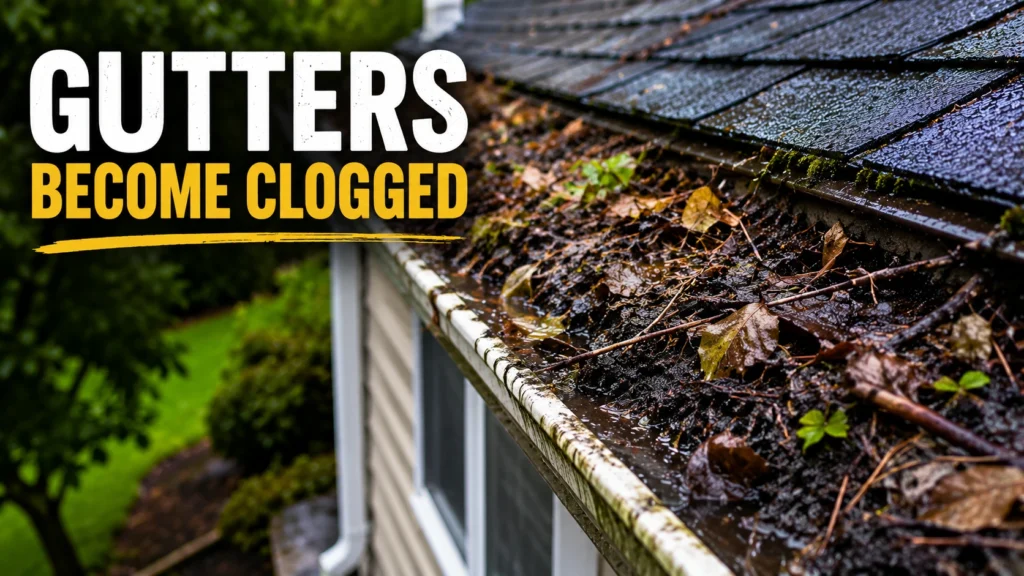
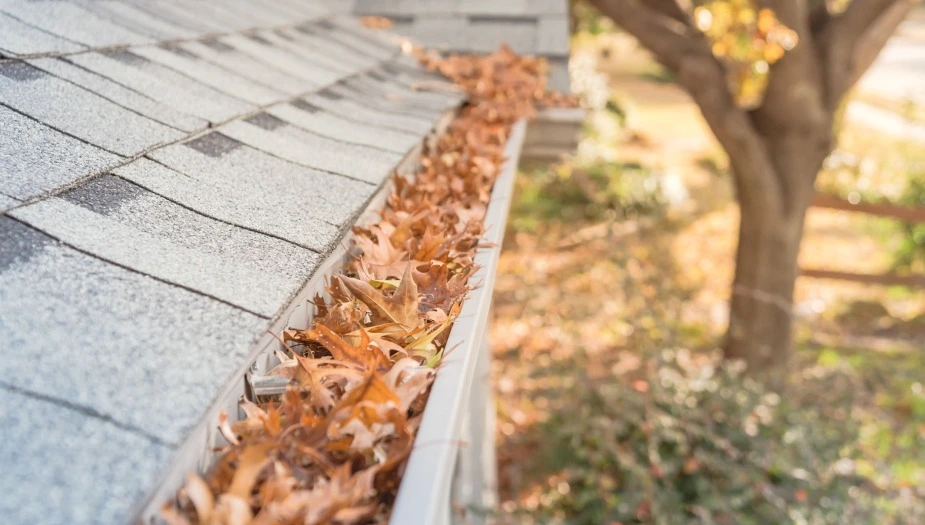
The first problem is simple: debris fills the channel. Leaves, pine needles, seeds, roof grit, and twigs can form a dense layer. Wet debris becomes heavy and can block both the gutter and downspout. Once water cannot move freely, it spills over the front or back edge. It may also pool inside the gutter. That added weight can strain hangers and joints.
This is why not cleaning gutters is more than a cosmetic issue. A gutter can look fine from the ground while a compacted clog sits inside it.
Roof and Fascia Damage
Overflowing water often lands against the roof edge and fascia. Repeated wetting can keep wood damp for long periods. Paint may peel, wood may soften, and fasteners can begin to loosen. Water can also get behind trim when the roof edge stays wet. If damage continues, a small gutter problem may become a roof-edge repair.
Watch the system during rain. If water pours over one section, check the downspout, pitch, joints, and roof edge.
Foundation and Basement Problems
This is one of the biggest reasons gutters matter. Roofs collect a large amount of rain, and that water needs a controlled route away from the house. The U.S. Department of Energy’s Building Science Education program warns that roof runoff can saturate soil around a building when it is not drained away. Moisture can then move through the foundation and contribute to mold, rot, and building durability problems.
A clogged gutter can dump water beside the foundation instead of sending it through a downspout. That is a key part of the answer to What Happens If You Never Clean Gutters? You may notice soil erosion, puddles, damp basement walls, or water near crawl spaces after heavy rain. Not every foundation leak comes from gutters. Grading, cracks, drainage systems, and soil type also matter. Still, good roof drainage removes one major source of unwanted water.
Mold, Mildew, and Moisture
Moisture is the common thread behind many gutter problems. Overflow can wet siding, trim, soil, and areas near windows. If these surfaces stay damp, mold and mildew become more likely.
The risk is not limited to visible mold. Persistent moisture can also contribute to wood rot and damage building materials. The longer water remains in the wrong place, the harder the problem can be to spot early.
Pest and Insect Infestations
A neglected gutter can become a small ecosystem. Wet leaves and organic debris provide shelter for insects. Standing water can also create a better setting for mosquitoes. Birds and small animals may use thick debris as nesting material. Ants and other insects can move through damp areas around the roofline.
A clean gutter does not guarantee a pest-free home. It removes one easy place for moisture and debris to collect.
Gutters Can Sag or Pull Away From the House
Gutters are designed to carry rainwater, not years of wet leaves. When debris and water stay inside, the added load can strain brackets and fasteners. Over time, sections may sag, separate at joints, or pull away from the fascia. Once the gutter loses its proper slope, water may stop flowing toward the downspout.
This creates a cycle: poor drainage causes more standing water, which adds more weight, which can cause more strain. West Virginia University Extension notes that keeping gutters clear can help prevent corrosion and gutters pulling loose from their mountings.
Landscaping and Exterior Water Damage
Overflowing gutters can wash soil and mulch away from planting beds. Water may also splash against siding, doors, windows, and walkways. You might see muddy areas beneath the roofline or channels cut into the soil. Plants may also receive too much water.
Good drainage should move roof water to a suitable discharge point. The exact setup depends on the property, slope, soil, and local drainage rules.
Repairs Become More Expensive
One reason people ask, What Happens If You Never Clean Gutters?, is the fear of repair costs. The biggest cost is rarely the gutter itself. Water damage is the bigger concern.
A clogged gutter may only need cleaning. A damaged gutter may need repair. A rotten fascia board may need replacement. A wet basement, damaged siding, or foundation problem can require much more work. Not every neglected gutter will cause major damage. Homes differ in roof design, rainfall, soil, trees, and drainage. Maintenance helps catch small problems early.
How Often Should You Clean Your Gutters?
For many homes, cleaning twice a year is a useful starting point. Spring and fall are common times because winter debris, blossoms, seeds, and leaves can build up. Homes under mature trees may need more frequent checks. You should also inspect gutters after major storms, especially if you see overflowing water.
If you are looking for Gutter Cleaning services in north bay, Bay SoftWash can be a useful internal service reference here. Link this phrase to the relevant service page rather than forcing a commercial link into every section.
Your schedule depends on tree cover, roof design, gutter size, weather, and how quickly debris collects.
Signs You’ve Neglected Your Gutters for Too Long
What Happens If You Never Clean Gutters? These warning signs often appear before major repairs are needed:
- Water pours over the gutter during rain.
- Plants or moss are growing inside the gutter.
- The gutter looks bowed or detached.
- Downspouts release little or no water.
- You see stains beneath the roof edge.
- Soil is washing away near the foundation.
- Basement or crawl-space moisture appears after storms.
- Birds or insects gather around the gutter.
- Rust, cracks, or loose joints are visible.
If you notice several signs at once, cleaning alone may not solve the issue. The system should be checked for damage and poor drainage.
Can You Clean Gutters Yourself?
Yes, but safety comes first. For a one-story home with easy access, some homeowners can clean gutters with proper tools and care. Wear gloves and eye protection. Use a stable ladder on level ground. Never clean gutters during rain, wind, or icy conditions. Do not climb onto the roof just to reach a gutter.
West Virginia University Extension recommends protective gloves and eye protection and warns against climbing onto the roof for gutter cleaning. For tall homes, steep roofs, difficult access, or damaged gutters, hiring a trained professional is often safer. If the job requires unsafe reaching or roof walking, stop and get help.
Can You Install Gutters That Don’t Need Cleaning?
The phrase “gutters that don’t need cleaning” can be misleading. Gutter guards can reduce the amount of debris entering a gutter, but they do not make the system maintenance-free. Guards can clog, shift, collect fine debris, or need cleaning themselves. Trees, roof grit, pollen, and small seeds can still reach the system.
If you install guards, treat them as a maintenance aid, not a promise to never clean your gutters again. The gutters, guards, downspouts, and discharge points still need periodic checks.
Conclusion
What Happens If You Never Clean Gutters? The answer is not just “dirty gutters.” Long-term neglect can block water flow, increase gutter weight, damage roof-edge materials, encourage pests, erode soil, and send water toward the foundation.
Regular cleaning and inspection keep rainwater on the path your home was designed to use. If your gutters are hard to reach or damaged, a professional can help you decide whether they need cleaning, repair, or replacement. Contact us today to keep your gutters clear and your home protected from water damage.
FAQs
How long can gutters go without cleaning?
It depends on the home. A house under heavy tree cover may need checks several times a year, while a home with little nearby vegetation may need less frequent service.
Is it bad to never clean your gutters?
Yes. Debris can block water flow and add weight to the system. Overflow may then contribute to roof-edge, siding, soil, and foundation problems.
What happens if you don’t clean gutters before winter?
Leaves and wet debris can remain in the system through cold weather. In areas with freezing conditions, trapped water and ice can add stress to gutters and roof edges.
Can clogged gutters cause foundation problems?
They can contribute to foundation moisture problems when roof runoff is discharged beside the house. Other drainage and foundation conditions also affect the risk.
Are gutter guards maintenance-free?
No. Good guards can reduce debris buildup, but they do not remove the need for inspection and occasional cleaning.
What is the best time to clean gutters?
Spring and fall are common choices. Homes surrounded by trees may need extra checks after leaf drop and major storms.